
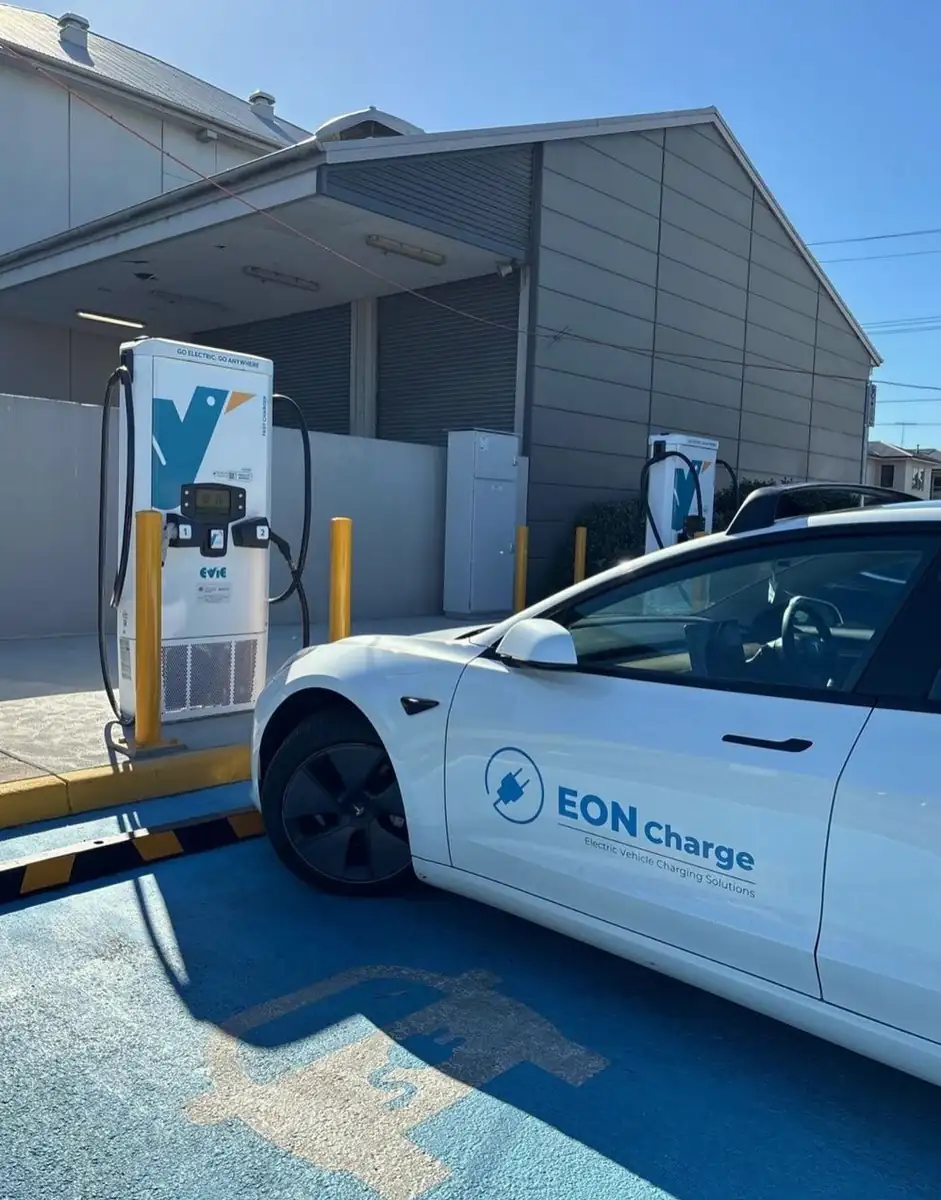
Where are the best EV charging stations between Torquay and Warrnambool? You’re in luck – there’s a good range of public charging stations at Torquay to start with, then Anglesea, Lorne (keep in mind its a bit slower), Apollo Bay (a real lifesaver), Princetown (just near the most famous of landmarks), Port Fairy, and then you’ve got Warrnambool which has the best options of all with some super fast chargers.
The quick answer is that. But for the real lowdown – this drive is a breeze in an electric vehicle, if you do a few simple things right. First off, you need to respect the gaps between the charging stations, plug in sooner rather than later and plan your stops based on how the road actually feels, not what Google Maps reckons.
I’ve done this stretch with mates and more than a few strangers, and once even in some dodgy hire car that couldn’t make it more than a fraction of the distance it claimed. And the lesson is the same every time – treat charging as part of the fun, not a hassle. That way, you can squash any range anxiety before it even starts.
Contents
- 1 How Easy This Drive Is – Till It Isn’t
- 2 What Gets Most People In Trouble (And Why You Should Listen)
- 3 Charging Stops And What It’s Like
- 4 Getting to Apollo Bay Without The Hassle
- 5 Timing Your Drive – What to Actually Expect
- 6 What It Costs (Charging, Food, And All The Extras)
- 7 When to Head Out – How Seasons Affect This Road Trip
- 8 The Reality Check – What To Expect On This Route
- 9 Who This Trip Is Perfect For – And Who Best Avoids It
- 10 If You’ve Only Got One Day
- 11 The One Bit You Shouldn’t Even Think About Rushing
- 12 Quick Pre-Drive Checklist
- 13 What Ive Learnt After Doing This a Few Times
- 14 Final Takeaway From The Road
- 15 FAQ
How Easy This Drive Is – Till It Isn’t
On paper, this route looks like a doddle. It’s not that long and, to be fair, there’s been a fair amount of investment in EV charging along the coast. But then you get on the road, and things start to go awry.
You’ve got tight corners, ups and downs, Bass Strait winds whacking straight into you – and don’t even get me started on the constant stop-start driving to get photos at lookouts. That all takes a bite out of your battery. I’ve seen people lose 15-25% more battery than expected – and before you know it, that comfortable buffer just disappears.
What Gets Most People In Trouble (And Why You Should Listen)
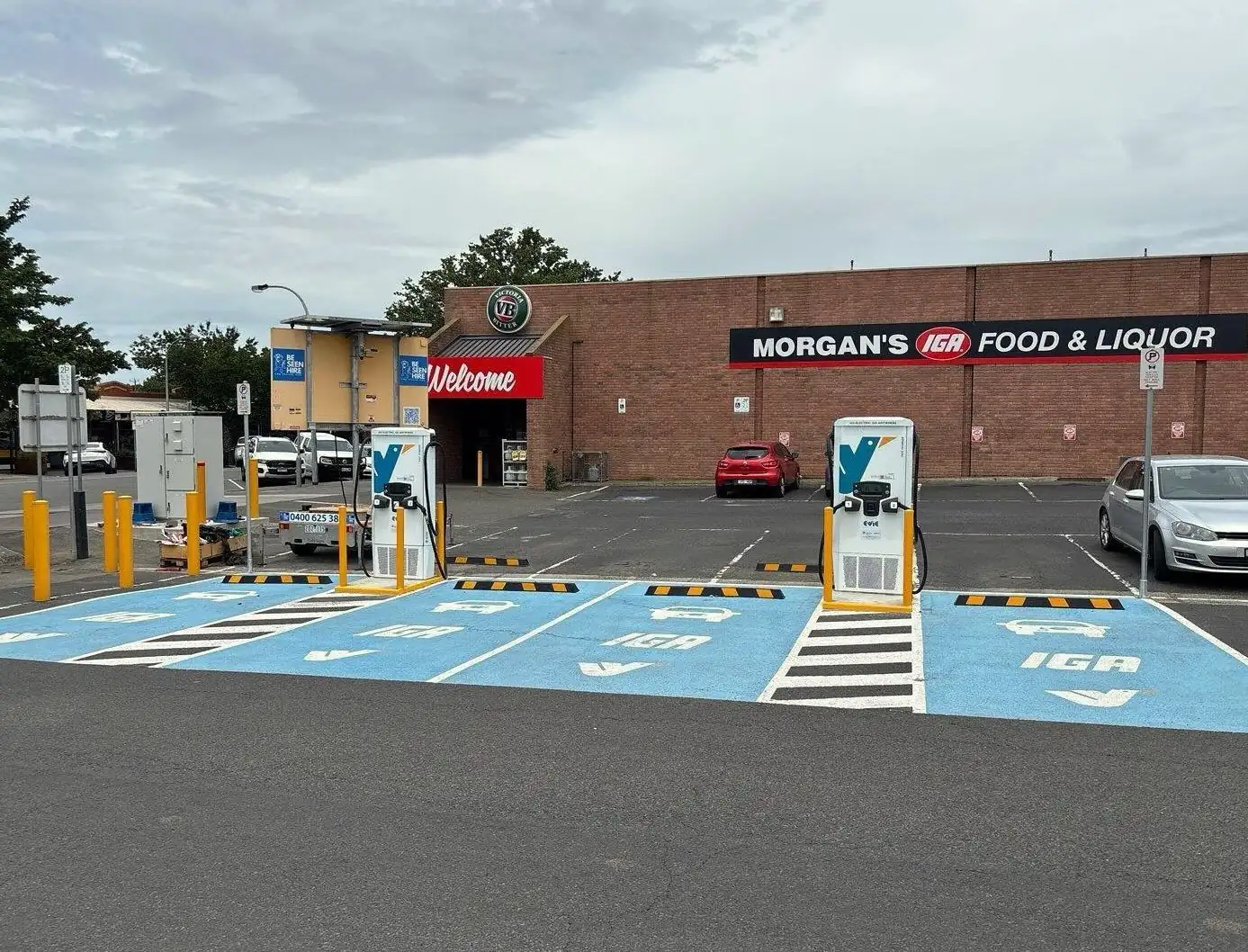
Here’s the thing Ive seen time and time again, especially from folks doing their first Great Ocean Road trip:
- They try to push on, skipping early chargers, thinking they can just go that bit further
- They rely on what your car says its range is, rather than what’s actually happening out on the road
- They assume every town has a working fast charger (let alone a clean toilet!)
- They don’t bother checking the real-time charger status before turning up at the station
One example that sticks in my mind is some poor bloke near Princetown who rolled in with only 6% battery left because he had decided to give Apollo Bay a miss – only to find the charger was already occupied. That’s a long 40 minutes of sweating it out.
Charging Stops And What It’s Like
This isn’t just a list of where to charge – it’s a snapshot of what each stop is really like, what kind of charger they’ve got, and how to use it properly.
| Stop Location | Distance From Torquay | Charger Type | Charging Speeds | What It’s Really Like |
|---|---|---|---|---|
| Anglesea | ~30 km | AC + limited DC | 7–50 kW | Easy access in public parking areas, good early buffer |
| Lorne | ~50 km | Destination chargers | 7–22 kW | Scenic, but slow — don’t rely on it if you’re low |
| Apollo Bay | ~110 km | DC Fast Charger | ~50 kW | Critical stop — reliable, central, near food |
| Princetown | ~190 km | DC Fast Charger | ~50 kW | Limited units, busy near Twelve Apostles |
| Port Fairy | ~260 km | Mixed charging services | 22–50 kW | Quiet, usually available |
| Warrnambool | ~280 km | Ultra-fast + DC | Up to 150 kW | Best infrastructure, multiple public charging plugs |
Expert take (from running tours): Apollo Bay is the anchor point. Everything else is up for grabs – that one stays put.
Getting to Apollo Bay Without The Hassle
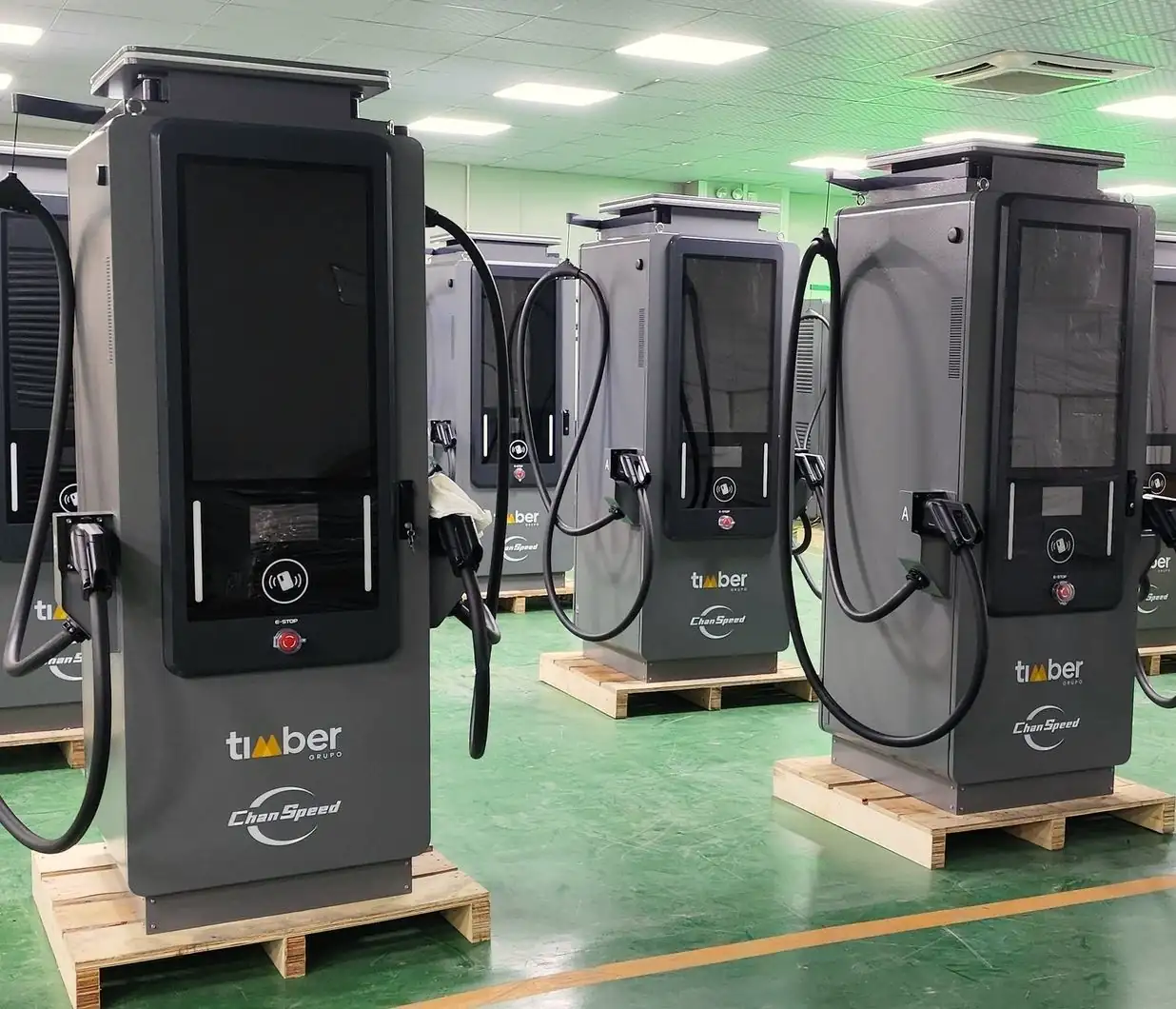
Most charging stations are stuck in high-traffic areas – as long as you know where to look, you shouldn’t have to go on a wild goose chase.
You’ll usually find public charging spots in:
- Car parks near beaches that the whole town comes to
- Shopping centres and the main town square
- Right next to the tourist info centre
- Community centres run by the council
- Warrnambool’s foreshore near the pier – that’s a pretty popular spot too
It’s pretty easy to get to the charging points, but you might have to circle around town a few times to find a park during peak periods. Don’t be surprised if you’re stuck in traffic mid-afternoon in the summer – better plan for a loop around town.
If you’re joining a Great Ocean Road day Tour or doing a Melbourne day trip, most tour operators will factor in these charging stops now – especially since more and more car rental places and hire-car providers are switching to EVs.
Timing Your Drive – What to Actually Expect
Don’t go thinking the drive’s only going to take 3.5 hours – that’s more of a pipe dream unless you’re completely ignoring the coast.
Here’s what you’re really looking at:
- Torquay to Apollo Bay: 2.5-3.5 hours (factor in traffic, stops and all the curves)
- Apollo Bay to Warrnambool: 2.5-3 hours
- And then there’s the charging time: 30 minutes to an hour per fast charge
So realistically, you’re looking at a 7-9 hour day – that’s if you’re taking your time and doing it properly.
What It Costs (Charging, Food, And All The Extras)
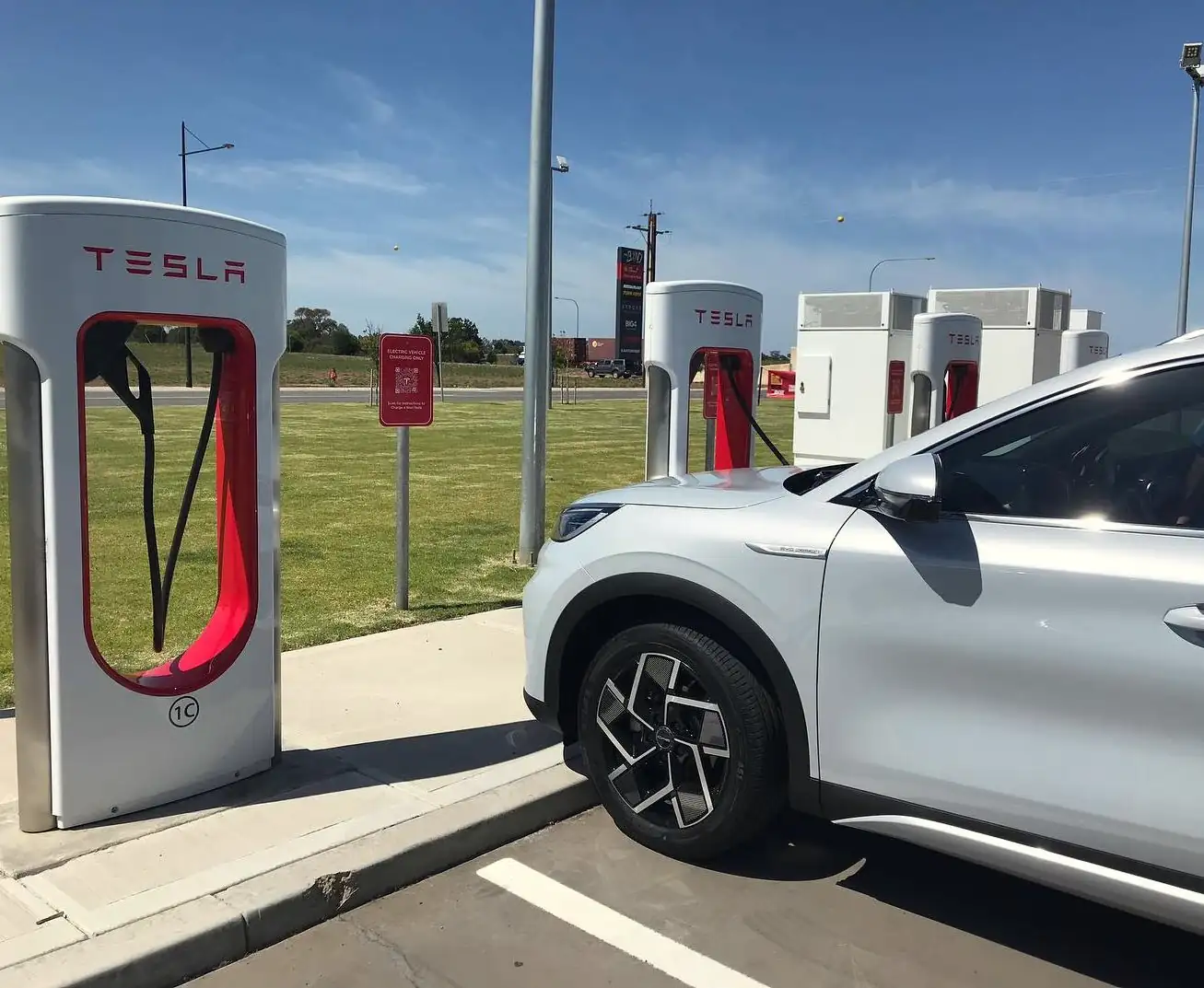
Charging isn’t free – but it’s still cheaper than slapping down cash for petrol.
As of 2026 (prices are liable to vary):
- Fast chargers: knocking on about $0.40-$0.70 AUD per kWh
- Ultra-fast chargers: if you’re using one of those, you might be looking at more than $0.70 AUD
- Total trip charging: reckon on about $25-$50 AUD
Plus there’s:
- Coffee and food: you can expect to splash out $15-$30 per person
- Parking: most of the time it’s free, although you might get stung in the busier areas
- Accommodation if you decide to overnight it: that’ll be $150 to $350 AUD
When to Head Out – How Seasons Affect This Road Trip
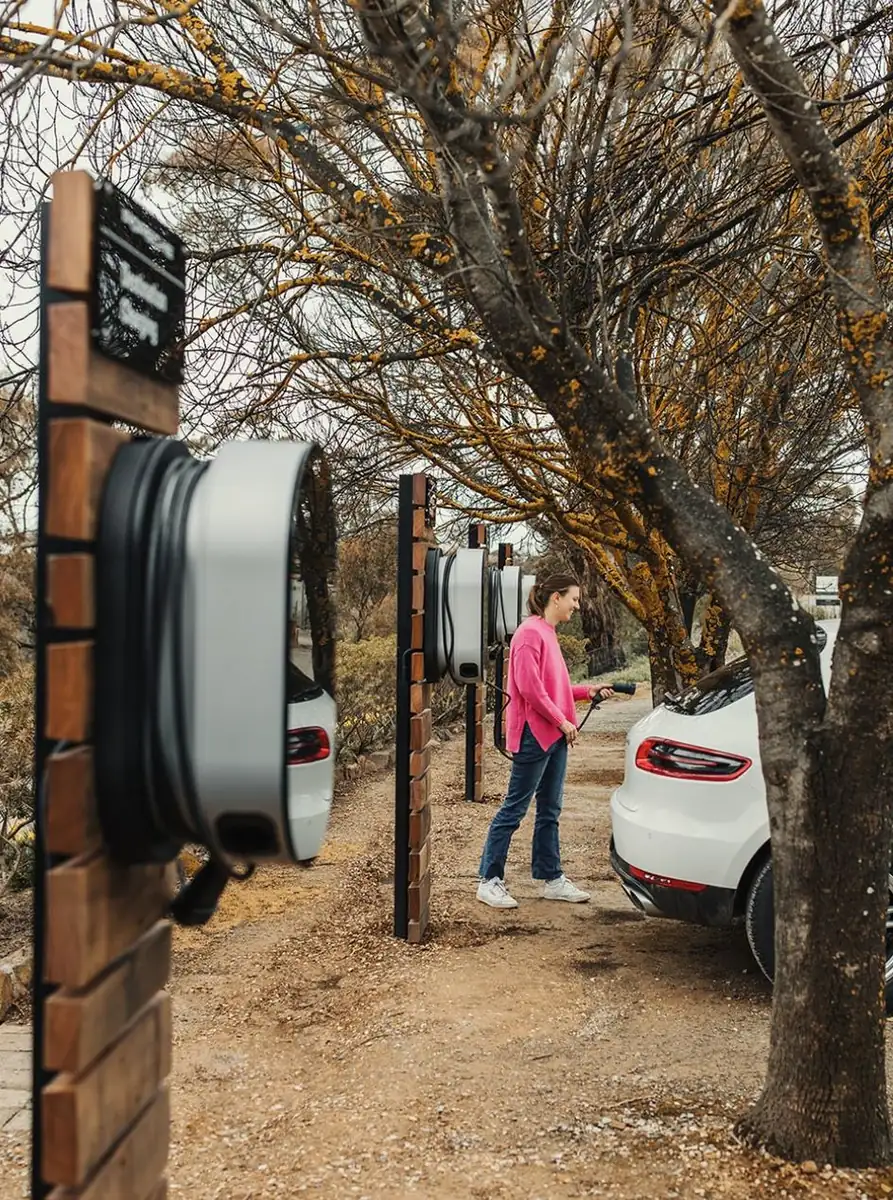
This part of the coast behaves very differently depending on the time of year, so it’s worth knowing what’s ahead.
Summer (Dec–Feb):
- It’s pretty packed and hot – you’ll be rubbing shoulders with a lot of other people
- Chargers are in constant demand, and you’ll probably be waiting for a slot
- Longer waiting times are the norm
Autumn (Mar–May):
- This is probably the best time to do the drive – the weather is mild, and there aren’t too many people around
- If you’re an EV owner, you’ll be happy to know it’s the perfect time for efficiency
- Fewer people around means you’ll find charging spots more easily
Winter (Jun–Aug):
- If it’s cold, you can expect a hit on your battery – so it’s worth factoring that in
- The wind is pretty strong at this time of year – and it will cost you more to keep your car charged
- On the upside, there will be fewer people on the road, so you should find it easier to find charging spots
Spring (Sep–Nov):
- Spring weather can be pretty unpredictable, which makes it a bit tricky to plan for
- On the other hand, the roads are pretty empty, so you should have little trouble finding a spot to charge your car
Reality check: The cold of winter can cut your range by as much as 15-20%. Plan for it.
The Reality Check – What To Expect On This Route
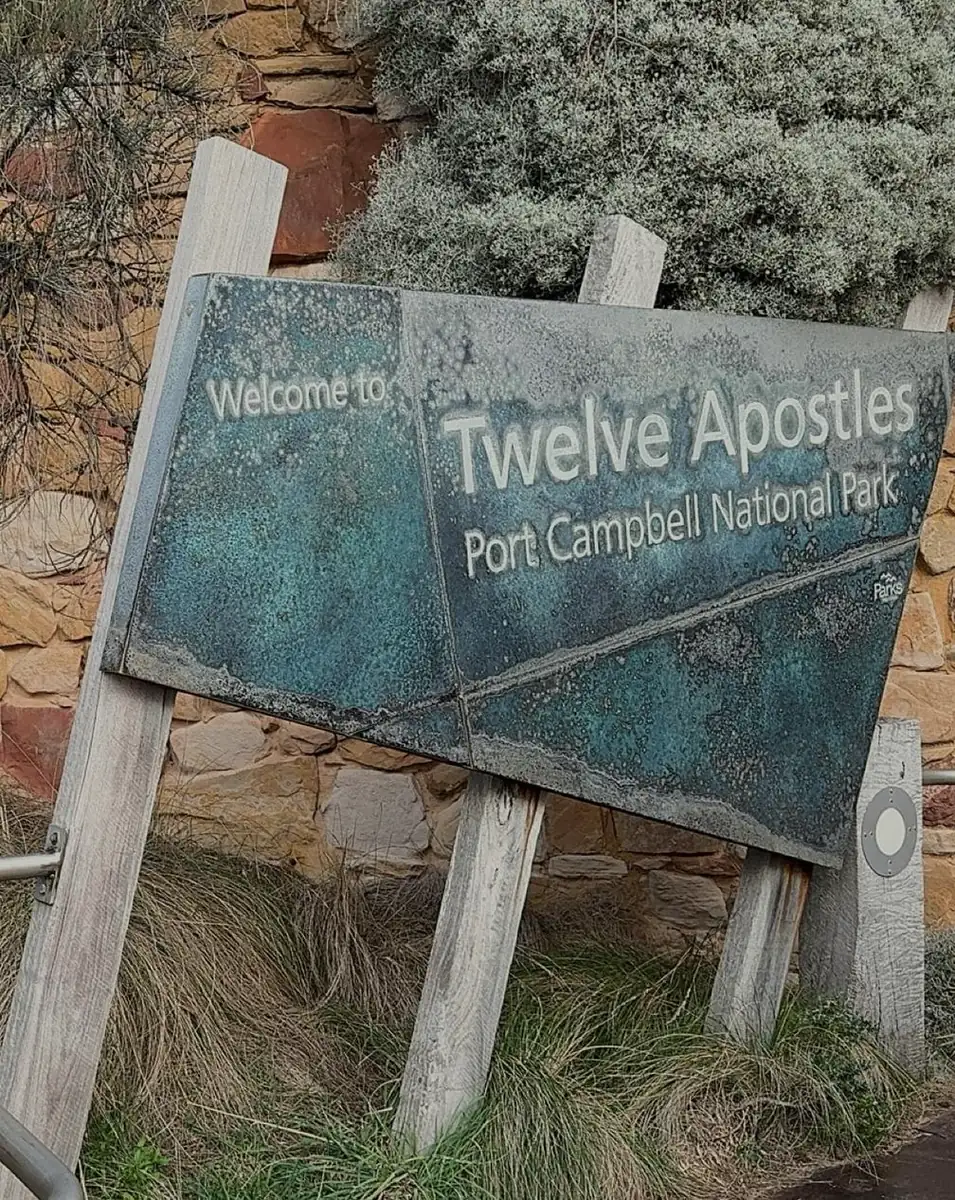
Let’s be real here.
- Expectation: You might just stop to charge, then cruise on down the road.
- Reality: You’ll probably need to stop a few more times than that – but it’ll be worth it for the views.
- Expectation: You’ll pull up to a charger, and it’ll be free to use.
- Reality: You might have to wait a bit – especially if you’re stopping at some of the popular spots like Apollo Bay or Princetown.
- Expectation: Your car’s range will be a reliable guide for the trip.
- Reality: The wind, traffic and hills will all play havoc with it.
Who This Trip Is Perfect For – And Who Best Avoids It
This is a great drive for:
- EV owners who are used to planning ahead
- People who are happy to do a relaxed day tour of the Great Ocean Road
- Couples or small groups who enjoy taking time to admire the views
- Anyone who wants to combine charging up with exploring the local sights
But it’s not ideal for:
- First-time EV drivers who are still getting used to charging on the go
- Anyone in a hurry who wants to rush the drive and do it in record time
- People who get anxious if they don’t have a backup plan
If you’re still unsure, joining a guided tour lets you hand over the hard work to someone else.
If You’ve Only Got One Day
Here’s the lowdown on how to tackle the drive in a day without any fuss:
- Get going from Torquay bright and early.
- Make a short stop in Lorne (if you feel like forking out).
- Get a decent charge and some lunch at Apollo Bay.
- Squeeze in a quick looksee at the Apostles.
- Optional detour to Princetown, if you’ve got the energy.
- Finish off in Warrnambool.
It’s a long day, but with a bit of discipline, you can make it happen.
The One Bit You Shouldn’t Even Think About Rushing
If you can only take your time for one bit, make it:
Lorne to Apollo Bay
This bit of road is the prettiest part of the drive – all windy roads, stunning ocean views, and heaps of places to pull over and take a breather. And also just happens to be the part of the drive where your battery is going to take a hit, thanks to all those hills.
Take it easy and plan your charge at the end of it.
Quick Pre-Drive Checklist
You don’t need to be a total prepper to tackle this drive – just the basics that actually make a difference:
- Sort out your charge at Torquay before you go
- Have a look at what the charger situation is like on your apps
- Get a couple of charging apps up and running
- Always have a backup plan in case things go wrong
- Bring your own AC charger cable – you never know
That’s about it. Keep it simple and keep your wits about you.
What Ive Learnt After Doing This a Few Times
The first time I tried this drive in an EV, I treated it like any other drive and ended up regretting it big time.
These days Ive learned to take a more laid-back approach:
- Charging is part of the fun – not just a necessary evil
- Getting in some early stops takes the stress off
- Apollo Bay is non-negotiable – it’s the highlight of the drive
- Flexibility is key – don’t try to stick to a rigid plan, things rarely go to plan
Thats how we do things at Great Ocean Road Tours too – we build our journeys around the real world – not some idealised version of how things should be.
Final Takeaway From The Road
Driving the Great Ocean Road in an EV is one of the best ways to do it — quiet, smooth, and far more relaxed when you get it right.
But here’s the truth:
- Plan your charging like you plan your stops.
Do that, and you’ll forget about battery levels entirely — and just enjoy the drive.
FAQ
Do I Need To Worry About Charger Availability?
Not if you plan ahead. Check real-time charger status and avoid relying on a single location.
Is Apollo Bay The Most Important Stop?
Yes. It’s the most reliable midpoint with fast charging and good facilities.
Are Charging Costs High On This Route?
Moderate. Expect around $25–$50 AUD total, depending on usage and charger prices.
Can Beginners Drive This Route In An EV?
Yes — but only with proper planning. It’s not the place to “wing it” on your first EV trip.
Are There Ultra-Fast Chargers Along The Way?
Primarily in Warrnambool. Most other stops rely on standard fast chargers.
