
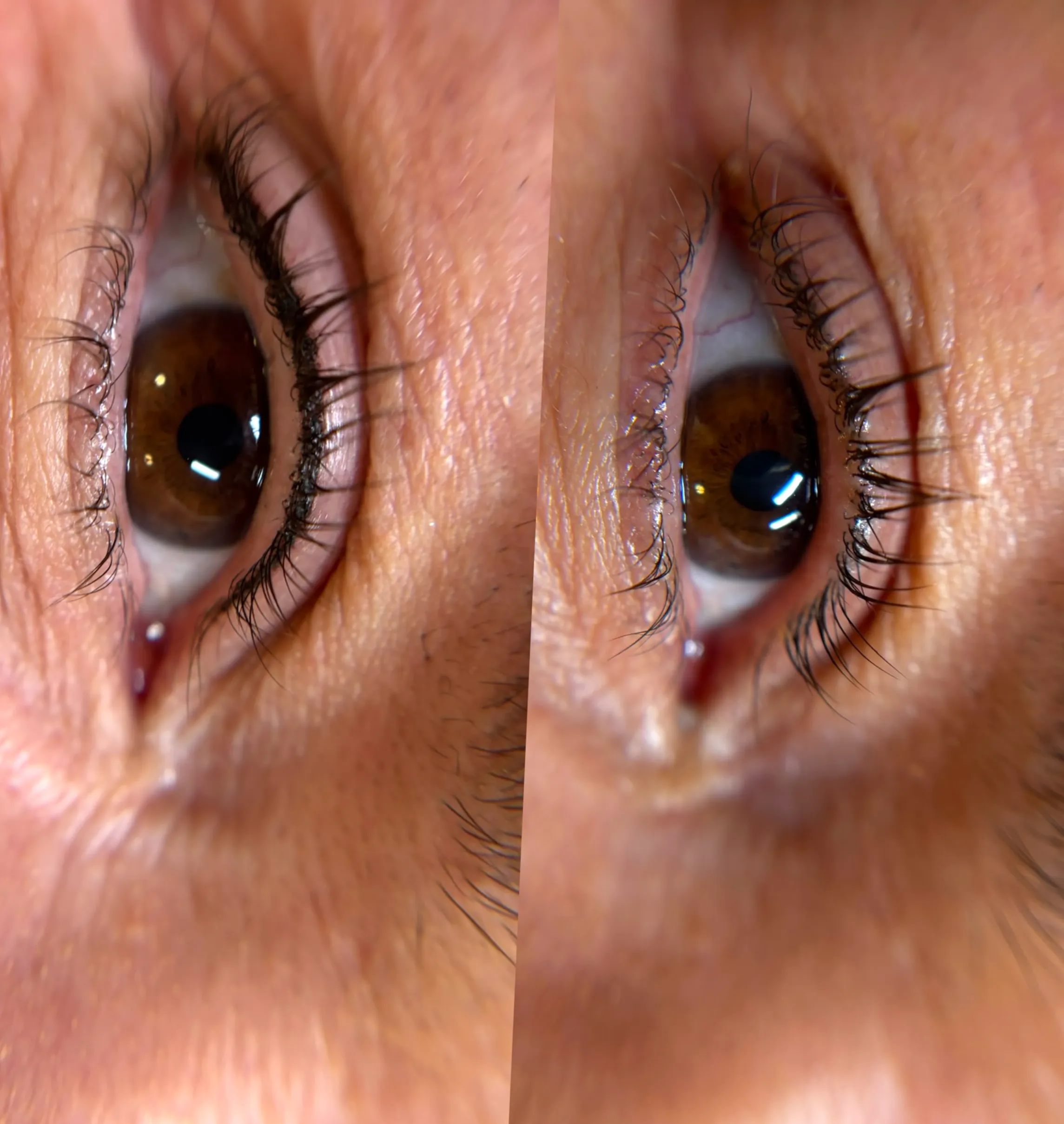
Do people actually get worried about the pain? What to expect at your very first Melbourne cosmetic tattoo appointment is pretty much the question on everyone’s lips at 11:47 pm – in the middle of frantically scrolling through studio reviews before they change their mind and bail. Honestly, it’s uncomfortable, not excruciating. Most people who’ve never had it done before are surprised by how manageable it is.
My name is Paul Beames, and I’m actually the last person you’d expect to see in a cosmetic tattoo studio. Don’t get me wrong, my usual stomping ground is the outback and long-haul travel stories, but I’ve also found myself in the chair at a cosmetic tattoo studio – asking the very same questions you probably have right now. This article runs through exactly what goes down, how pain works in cosmetic tattooing, and what you should realistically be expecting from a top-notch Melbourne clinic like Cosmetic Tattoo Melbourne Studio.
Contents
- 1 Why Cosmetic Tattooing Feels Scarier Than It Is
- 2 What Happens When You Arrive
- 3 Pain Is Personal — But Patterns Exist
- 4 How Different Treatments Tend To Feel
- 5 The Role Of Numbing Cream
- 6 What Can Make You Feel More Sensation On The Day?
- 7 The Bit People Don’t Expect
- 8 Safety, Allergies and Patch Testing
- 9 Touch Ups – The Ongoing Process
- 10 Regulation and Responsibility
- 11 Worth It If You’re a Bit Nervous About Pain?
- 12 The Lowdown Before You Book
- 13 FAQ
Why Cosmetic Tattooing Feels Scarier Than It Is
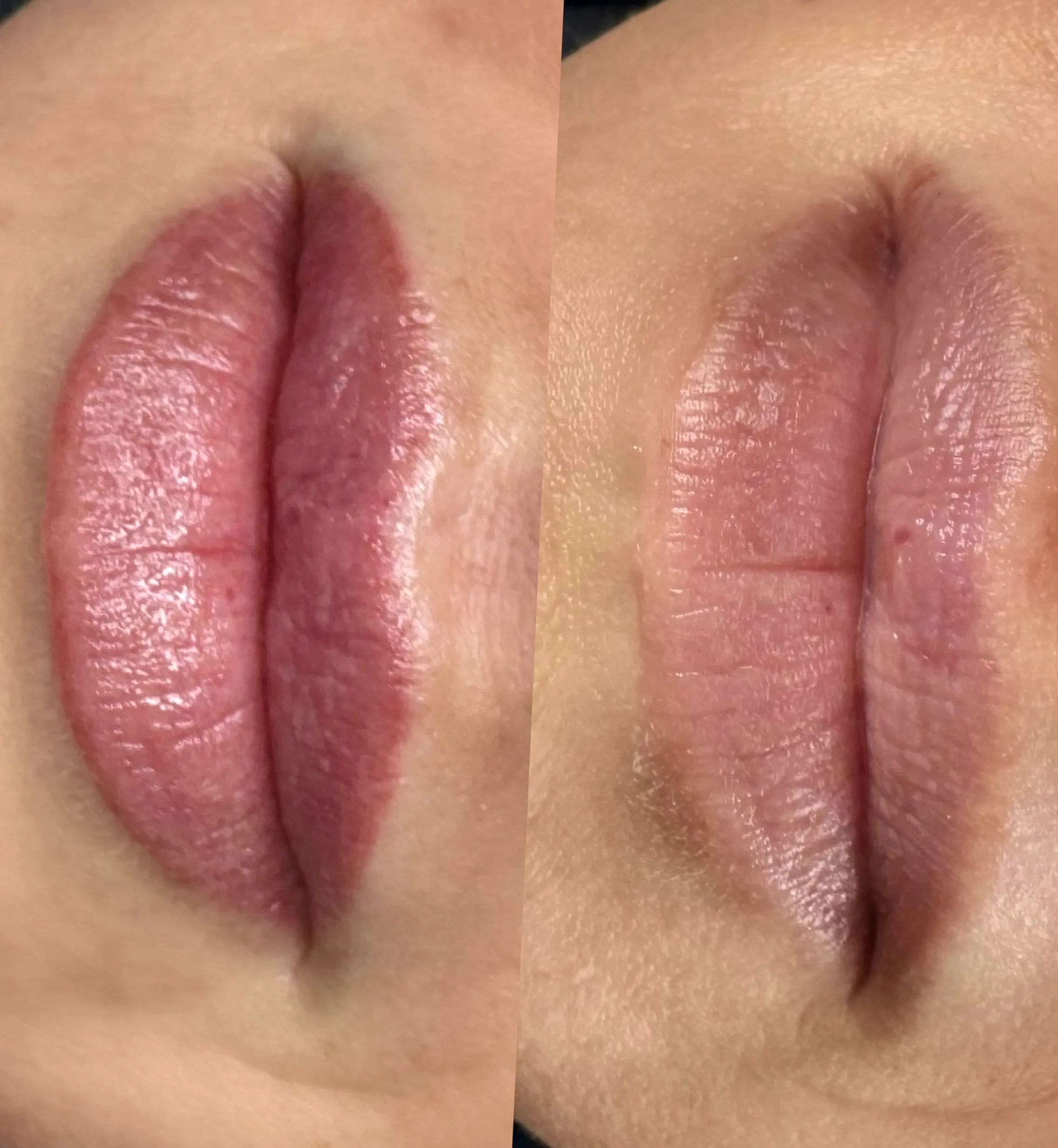
The fear usually stems from the misconception that permanent makeup is the same as traditional tattoos. A traditional tattoo involves injecting ink deep into the dermal layer, using a heavy-duty machine and ink that’s designed to last decades. But cosmetic tattooing is a completely different ball game.
Eyebrow, eyeliner, and lip treatments are performed near the skin surface using super-fine blades, electronic pens, or a specialised electric machine for precision. When you add a proper numbing cream and a topical anaesthetic, the sensation shifts from “ouch” to a more persistent scratching sensation.
And that makes a big difference.
What Happens When You Arrive
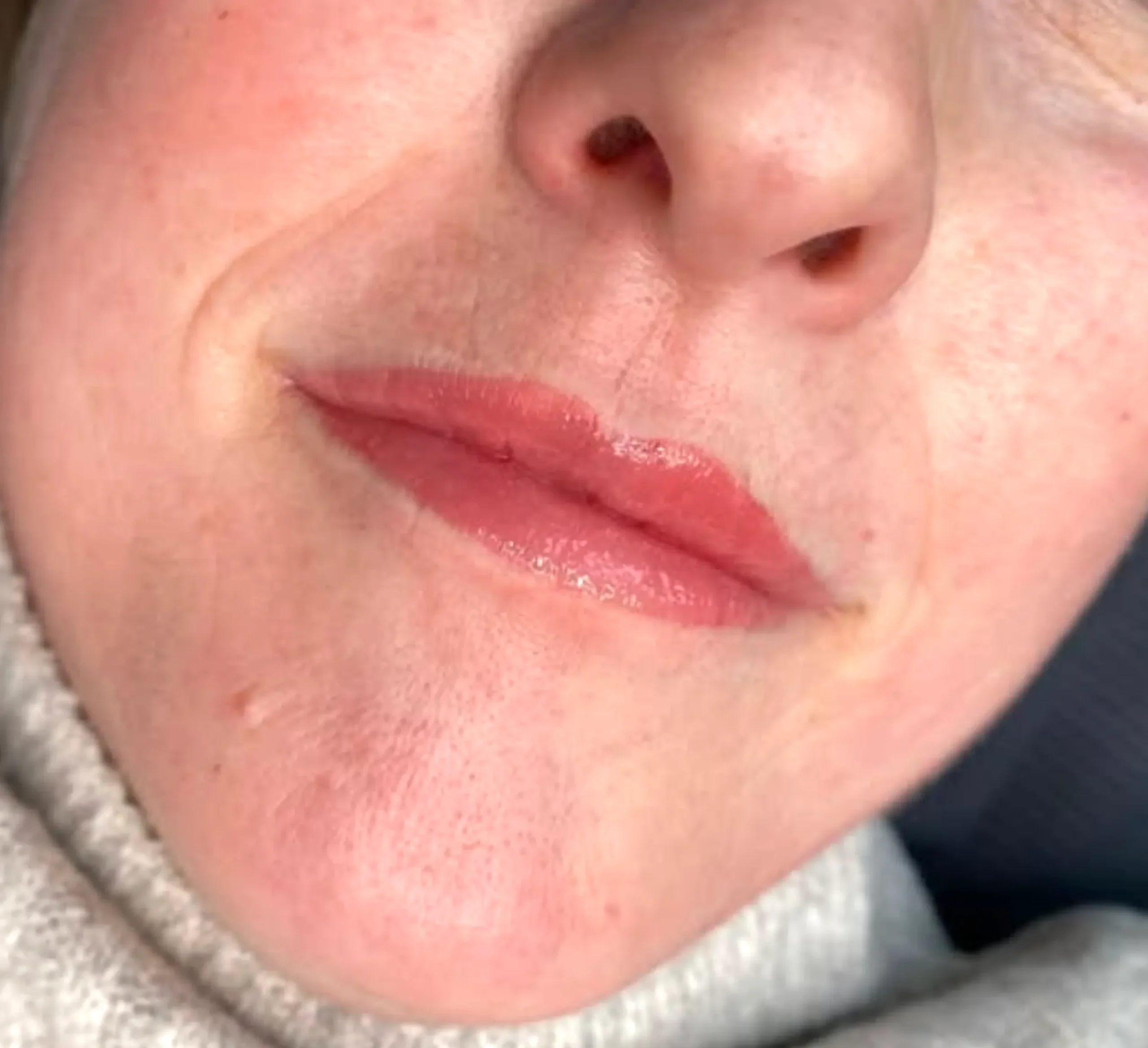
A first appointment isn’t just about chucking yourself on the couch and getting it done. At any respectable cosmetic tattoo studio, most of the time is spent before the actual tattooing even begins.
Your artist will give your skin the once-over, discuss your skin type and sensitivity, and ask about any medications you’re taking, what you’re using on your skin, and whether you have any skin conditions. And it’s the little things that can make a big difference, like taking blood thinners, using fish oil or alpha-hydroxy acids – it’s all stuff that can influence how sensitive you are.
You’ll also get to do a bunch of other things, like:
- Take a good, hard look at your face shape & natural features
- Picking out some colours that’ll work for you
- Taking a gander at some design guides & reference photos
- Getting a chat about how long it’ll take to heal and how the healing process works
Studios like Cosmetic Tattoo Melbourne Studio take this very seriously because it makes a big difference to how comfortable you feel, what the results will look like, and how long they’ll last.
Pain Is Personal — But Patterns Exist
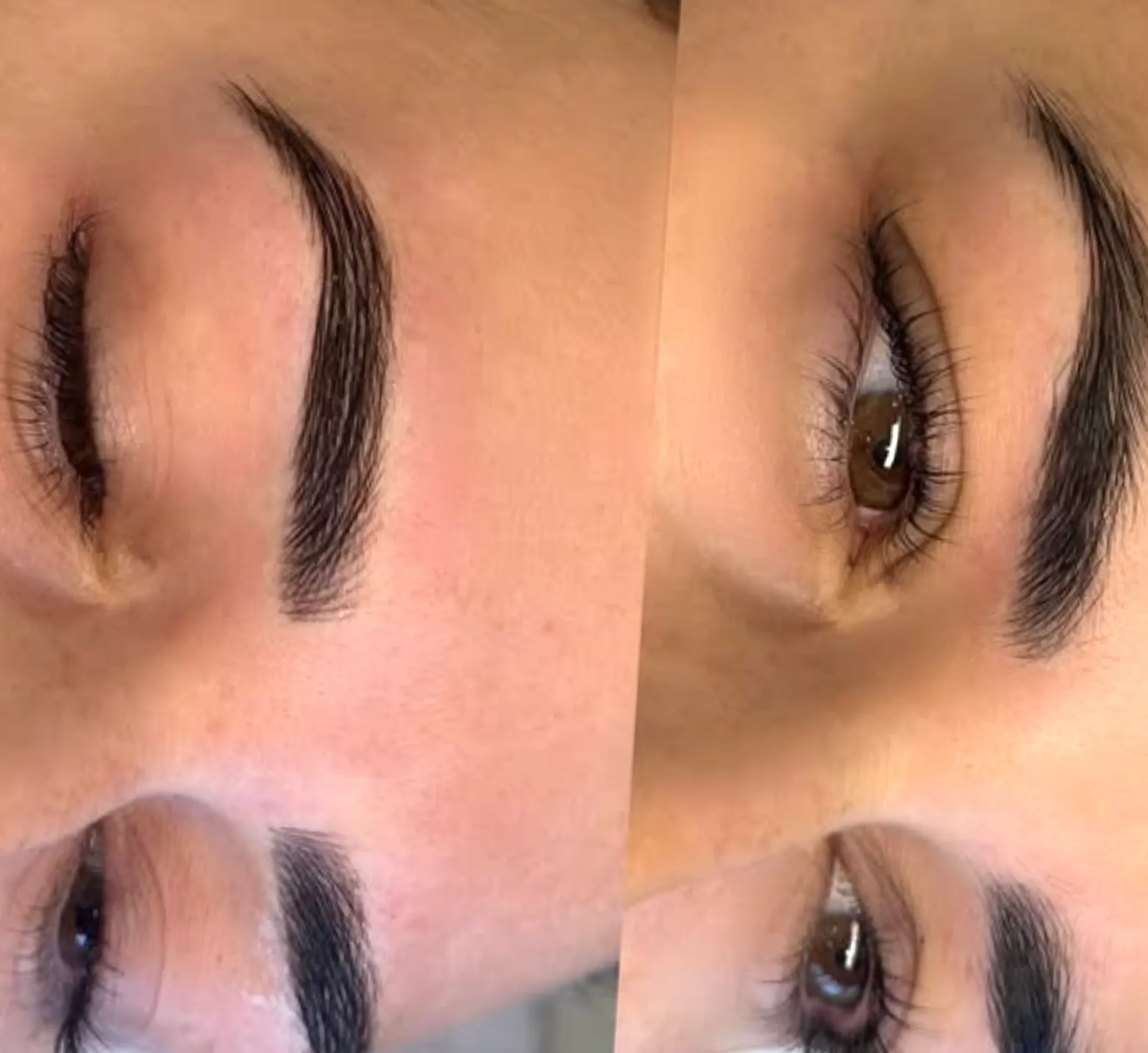
Pain is one of those things that varies a lot from person to person – and that’s just basic science. Your stress levels, hormones, sleep quality, and skin condition can all affect how you perceive pain. And let’s face it – data from clinics in Victoria over the last couple of years paints a pretty consistent picture.
More than 8 in 10 people getting cosmetic tattoos for the first time say the discomfort is no worse than mild to moderate – they usually rate it a 2 to a 4 out of 10. And what they describe feeling is often like someone is scratching, vibrating, or applying gentle pressure – not that sharp stinging pain that some people might be expecting.
That’s not just something I’ve mucked around with & experimented on myself – that’s what real people in the business of doing cosmetic tattoos say they see coming through the door every day.
How Different Treatments Tend To Feel
| Treatment Area | Common Sensation | Comfort Level |
|---|---|---|
| Powder Ombré Brows | Light pressure, vibration | Very manageable |
| Nano Brows | Fine scratching | Manageable |
| Eyebrow Microblading / Eyebrow Feathering | Sharper strokes | Moderate |
| Permanent Eyeliner Tattoo | Pressure, ticklish | Mild |
| Lash Enhancement | Mild irritation | Mild |
| Lip Blushing / Lip Line Shading | Tingling warmth | Moderate |
These sensations are only going to happen if your cosmetic tattoo studio has got the basics right – ie proper use of topical anesthetic and good technique. You want to trust that’s standard practice wherever you go.
The Role Of Numbing Cream
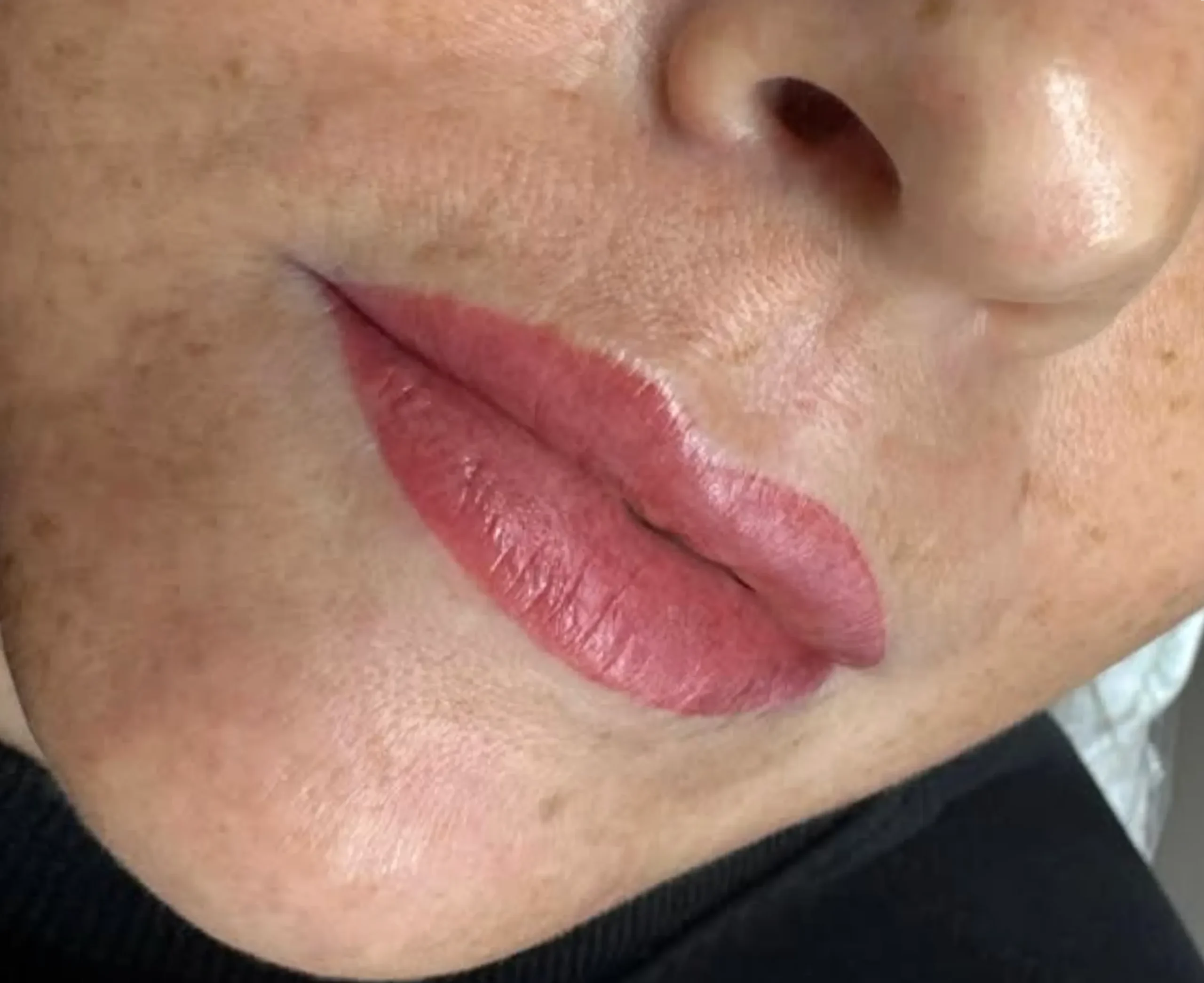
In cosmetic tattooing today, medical-grade numbing cream is used in most cases. These topical anaesthetics are often dispensed by pharmacies and formulated for facial procedures. It’s the difference between a steady hand and one that’s getting jolted around.
A proper numbing routine should ideally include:
- Reducing the amount of discomfort you experience
- Allowing the tattoo artist to work steadily and precisely
- Cutting down on those pesky involuntary twitches
You apply the numbing cream before you start tattooing and reapply it frequently throughout the session. If a studio is downplaying the importance of numbing, it’s not toughness on their part – it’s just poor practice.
What Can Make You Feel More Sensation On The Day?
Some discomfort is inevitable, but it doesn’t have to be this severe.
You might feel a bit more sensitive if you:
- Happens to be on your period
- Are you taking fish oil or blood thinners
- Are you using active skincare ingredients like glycolic acid
- Show up stressed, hungry or dehydrated
For this reason, many clinics, including Cosmetic Tattoo Melbourne Studio, prioritise pre-appointment guidance and aftercare discussions. We’re not just about getting you into the chair and tattooing as quickly as possible.
The Bit People Don’t Expect
It’s the healing process that often catches people off guard – not because it’s painful, but because it’s just plain weird. Tightness, dryness, a bit of swelling – that’s all just your skin trying to repair itself.
What to expect from the healing process:
- Days 1-3: You’re going to be tender, maybe a bit swollen
- Days 4-7: It’s going to flake and get a bit dry
- Days 8-14: The colour will soften and start to settle
It’s a strange feeling, but healing ointment, a cool compress, and following the aftercare instructions make all the difference.
Safety, Allergies and Patch Testing
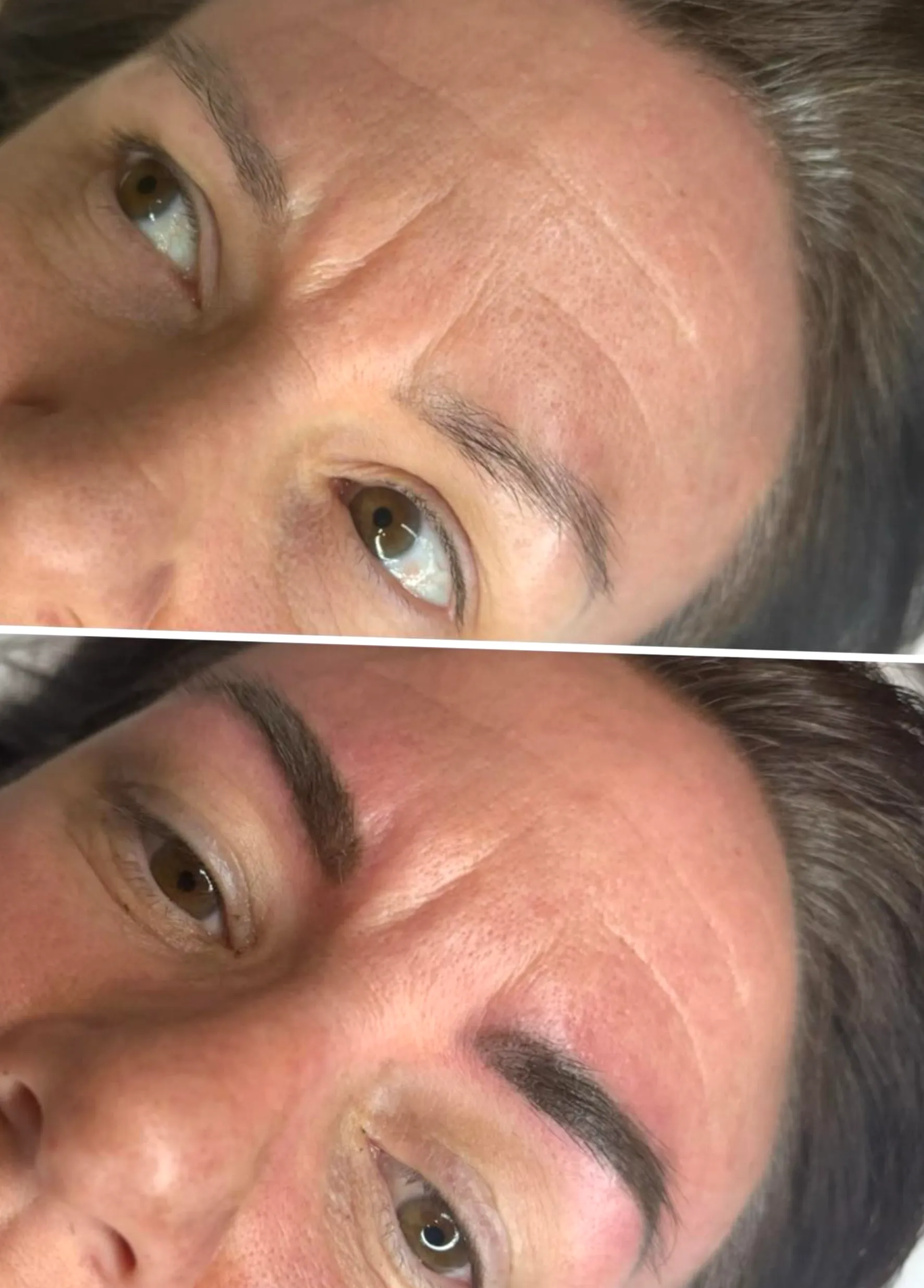
Safety is always our top priority at a professional cosmetic tattoo studio, which means we take a few key precautions:
- We only use hypoallergenic pigments, plus vegans and those with sensitive skin have some excellent semi-permanent options available
- Disposable gloves and tools are used on every client
- Sterile needles and super-clean tools are the only things we use
- And we only choose from the highest quality pigments that meet our safety and consistency standards – like Perma Blend
If you’ve got sensitive skin or have been known to react to things in the past, we’ll usually do a patch test first – it’s just one of those extra precautions we take to make sure you’re happy and safe.
Touch Ups – The Ongoing Process
While we like to call it permanent make-up, the truth is it’s not really permanent at all – the pigment fades and shifts over time, which means we get to refine and touch up as needed.
Most people need to return for a touch-up appointment at around 6-8 weeks, then again every 12-24 months. And if you’re not happy with what we’ve done, we can even correct it either with another bit of tattooing or by removing the tattoo with a laser if you want to change things later.
Regulation and Responsibility
Here in Victoria, we’re governed by Fair Trading and have to follow a proper customer care code. That means we have to give you the low down on what to expect, what’s going to happen, and what you need to do to look after yourself before and after the tattoo – no pressure sales or vague promises here.
If you get the feeling that someone is trying to fob you off or not tell you what’s going on during the process, then maybe it’s time to look elsewhere.
Worth It If You’re a Bit Nervous About Pain?
If it’s just the thought of getting tattooed that’s putting you off, the good news is people find it way more manageable than they expect. It’s a tiny bit uncomfortable for a little while, and then it’s just, “oh yeah, this is a thing I do now”.
It’s like all the good things in life – you’ve got to be slightly uncomfortable for a bit to get the good stuff. In this case, it’s waking up with perfectly shaped brows or a lovely bit of lip colour, and it lasts for ages.
The Lowdown Before You Book
Cosmetic tattooing isn’t pain-free, but let’s be real – it’s no walk in the park either. With the right numbing cream and a skilled artist, though, it’s absolutely doable.
Picking the right studio is crucial. Do your research and trust your instincts. A place like Cosmetic Tattoo Melbourne Studio is only as good as its reputation and consistency suggest – and that usually tells you everything you need to know.
FAQ
Just how much is the pain factor during cosmetic tattooing?
For most people, a bit of a pinch is all you can expect – especially during an eyebrow or lip procedure – and a good anaesthetic can really make a big difference.
Does skin sensitivity make a difference?
Absolutely. Your skin type, how sensitive it is, and any existing skin conditions all play a part in how it feels. That’s part of why doing a skin analysis beforehand is a good idea.
Is there anything you can do to make the experience less painful?
Yes. Eating a meal beforehand, avoiding alcohol and active skincare for a few days, and staying well hydrated all help.
How does the healing process feel?
It’s usually very manageable. You might feel a bit tight or dry, but that generally settles down within a week or two.
Why do you need to go back for touch-ups?
Touch-ups allow the artist to refine the colour and ensure it’s even once the initial healing is complete. It’s a one-off adjustment that keeps the result looking good long-term.
