
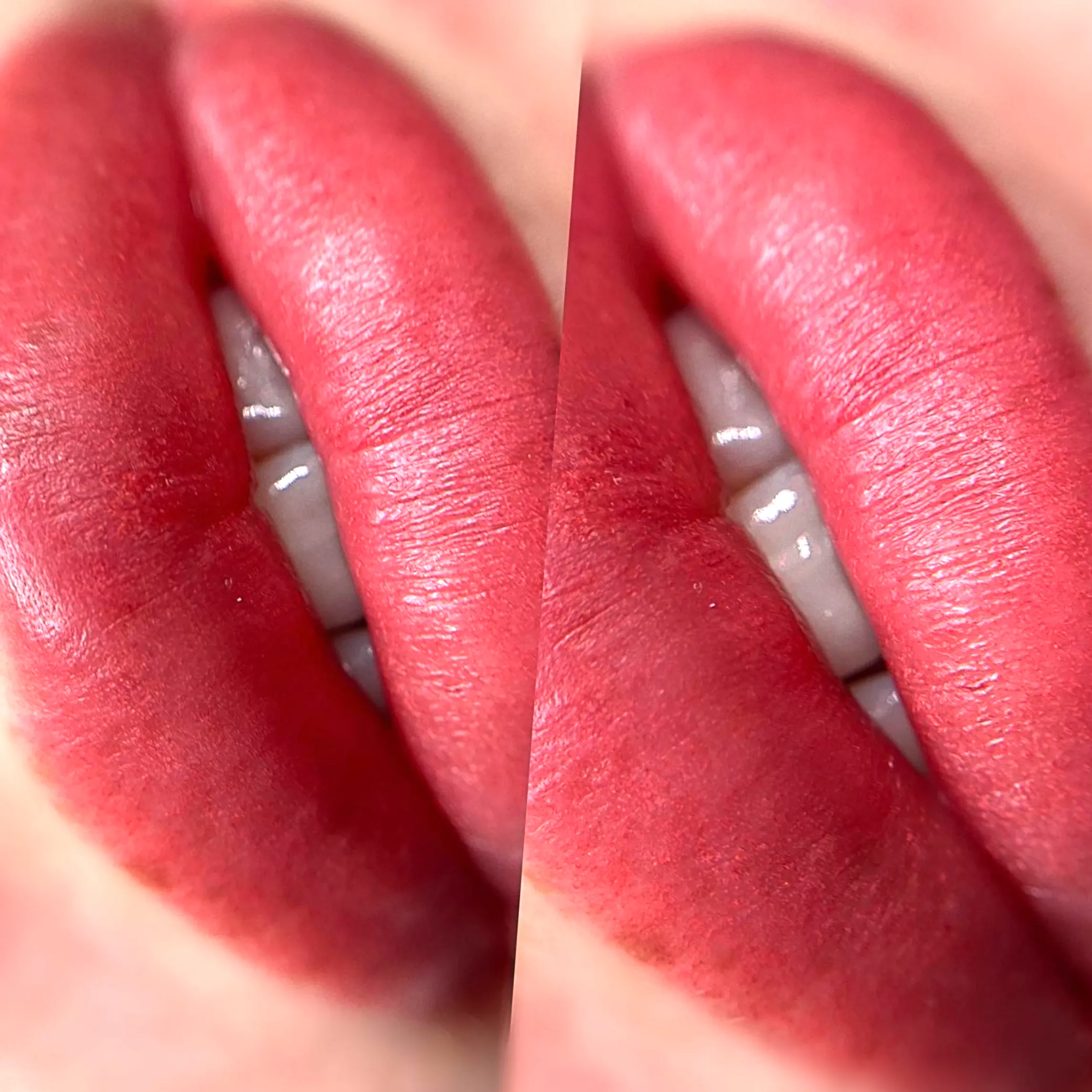
Is one session of lip blush enough? I get asked this all the time in my Melbourne studio — usually by clients who’ve seen gorgeous PMU lips online and hope one appointment will get them their dream lip colour. While I understand the appeal of a quick fix, lip blushing is a semi-permanent makeup treatment that works best in layers. Your skin needs time to go through its full healing process before the results settle into a natural look.
At Face Figurati, I’ve worked with every skin type imaginable — from clients wanting a soft lip tint to those wanting full lip enhancement and reshaping of the lip line. Whether you want to restore your natural lip colour, create ombre lips or get a lip blushing tattoo that replaces your daily lipstick, your appointment process and touch-up sessions will determine how long the effect lasts.
Contents
- 1 One Appointment Often Falls Short
- 2 Heals Skin and Holds Colour
- 3 When One Session Delivers
- 4 Factors That Affect How Many Sessions
- 5 Melbourne-Specific Skin Considerations
- 6 Prep For First Lip Blush
- 7 The Touch-Up Is So Important
- 8 2025 Beauty Trend Data On Lip Blush Retention
- 9 Common Myths
- 10 What If You Only Do One Session
- 11 My Client Case Studies
- 12 Your Session Timeline
- 13 The Bottom Line
- 14 FAQ
One Appointment Often Falls Short
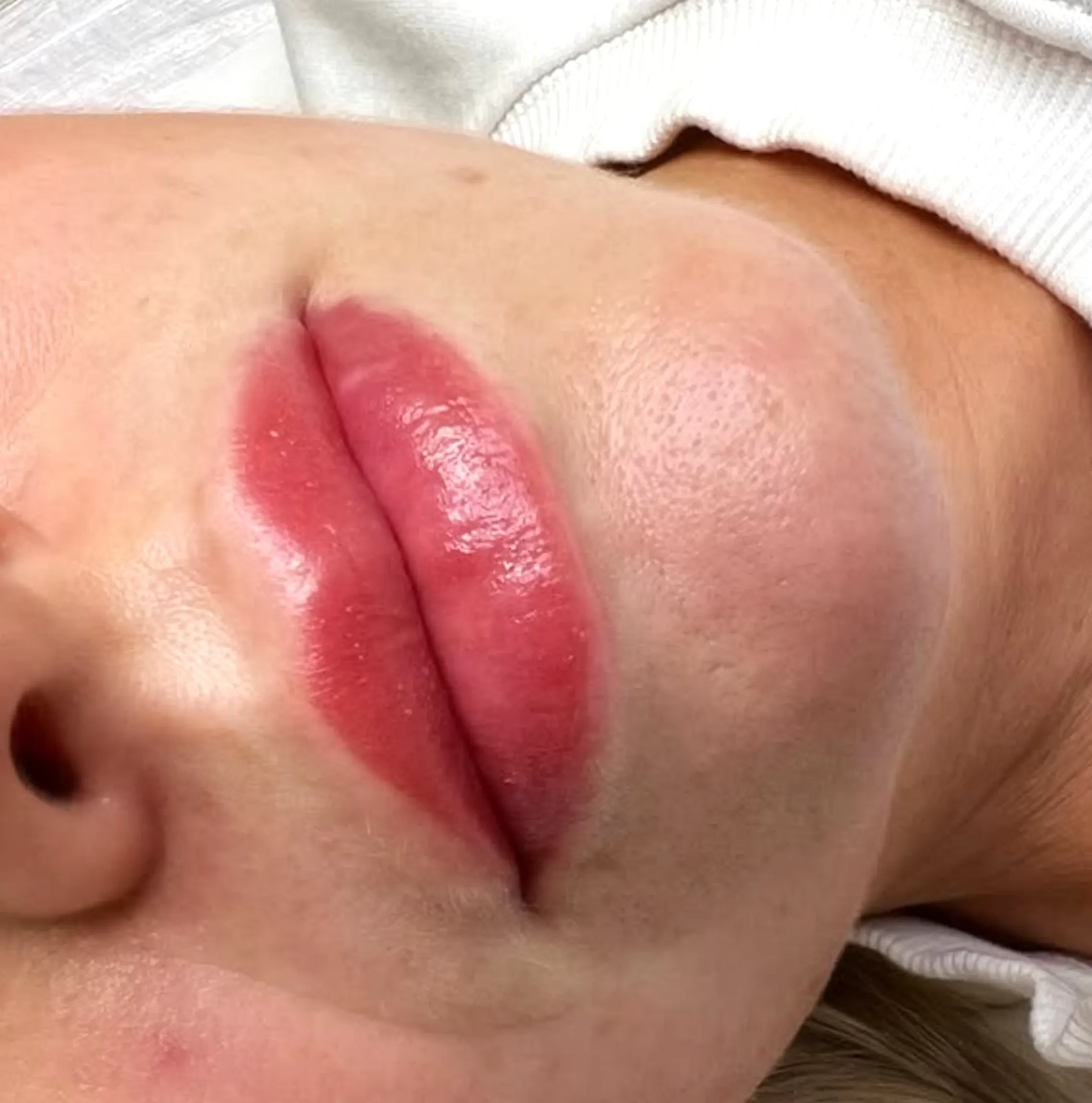
Your first lip tattoo session is about creating a base. Using a tattoo machine and cosmetic tattoo technique, pigment is implanted in the upper dermis. Because this is a semi-permanent tattoo, your body will push out some pigment during the healing period. This is part of the skin cycle and helps keep results soft and flattering.
Even with a skilled cosmetic technician, most people need 2–3 sessions for the colour to last. Your skin type, lip shape and skin undertones all affect retention. Some clients also come in asking for a lipstick tattoo look — a denser colour fill — which almost always requires more than one session to achieve the desired vibrancy.
Heals Skin and Holds Colour
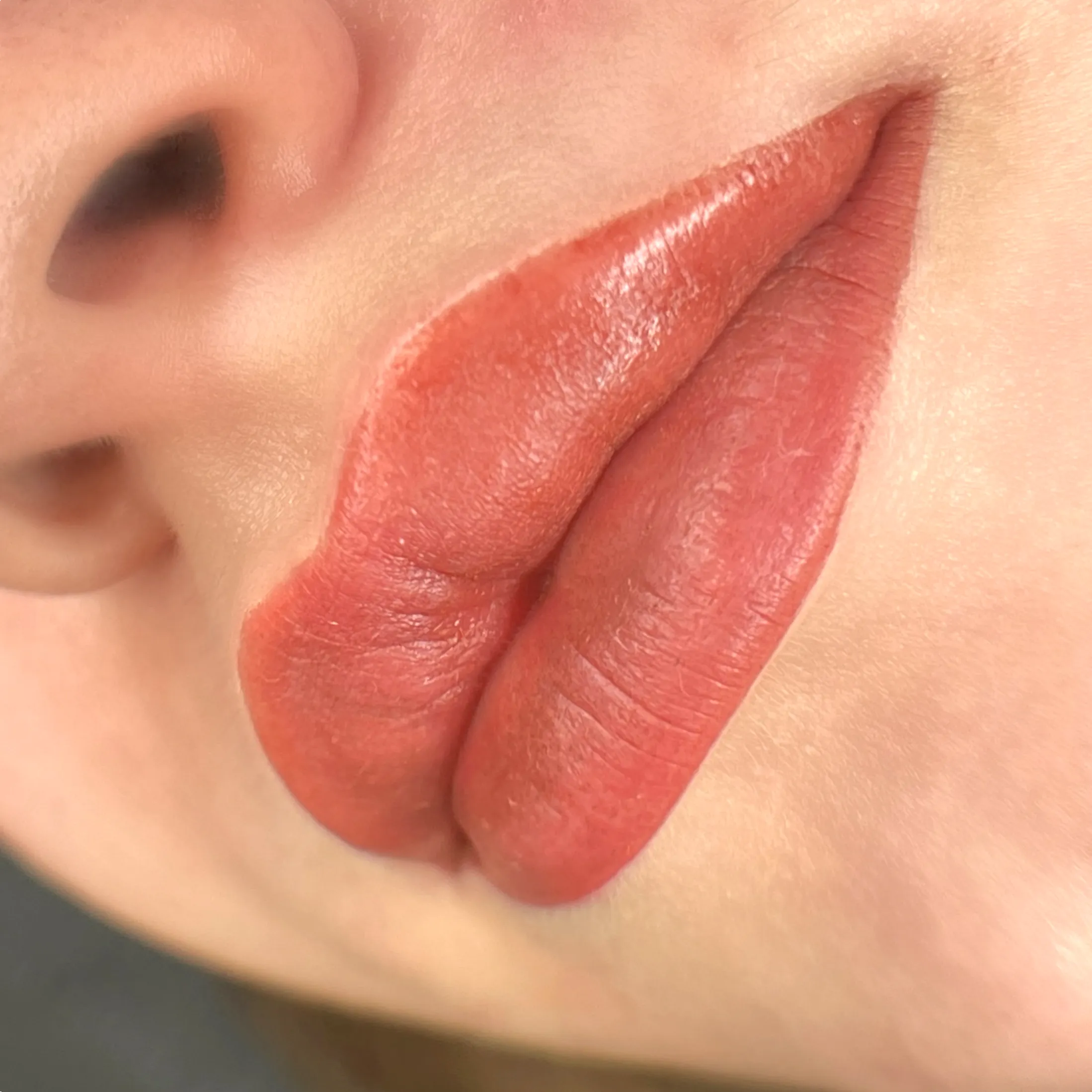
After your first semi-permanent procedure, the healing process begins immediately. It’s normal for lips to look darker right after lip tattooing — sometimes 40% darker than the healed result. Over the next few days:
- Day 1–2: Lips are bold, possibly slightly swollen if you’ve had recent lip filler.
- Day 3–5: Flaking starts; pigment looks patchy. Don’t pick — use your post-care lip healing balm or a gentle aftercare balm to keep them comfortable.
- Day 6–10: Colour lightens significantly; this is normal.
- Week 4–6: Pigment resurfaces as lips finish the skin cycle and recover.
Cosmetic tattoo industry data from 2025 shows 30–50% pigment fade after the first lip blush tattooing session. For those training in lip tattoo courses, this pigment loss is often explained as part of normal skin recovery rather than a sign of poor technique.
When One Session Delivers
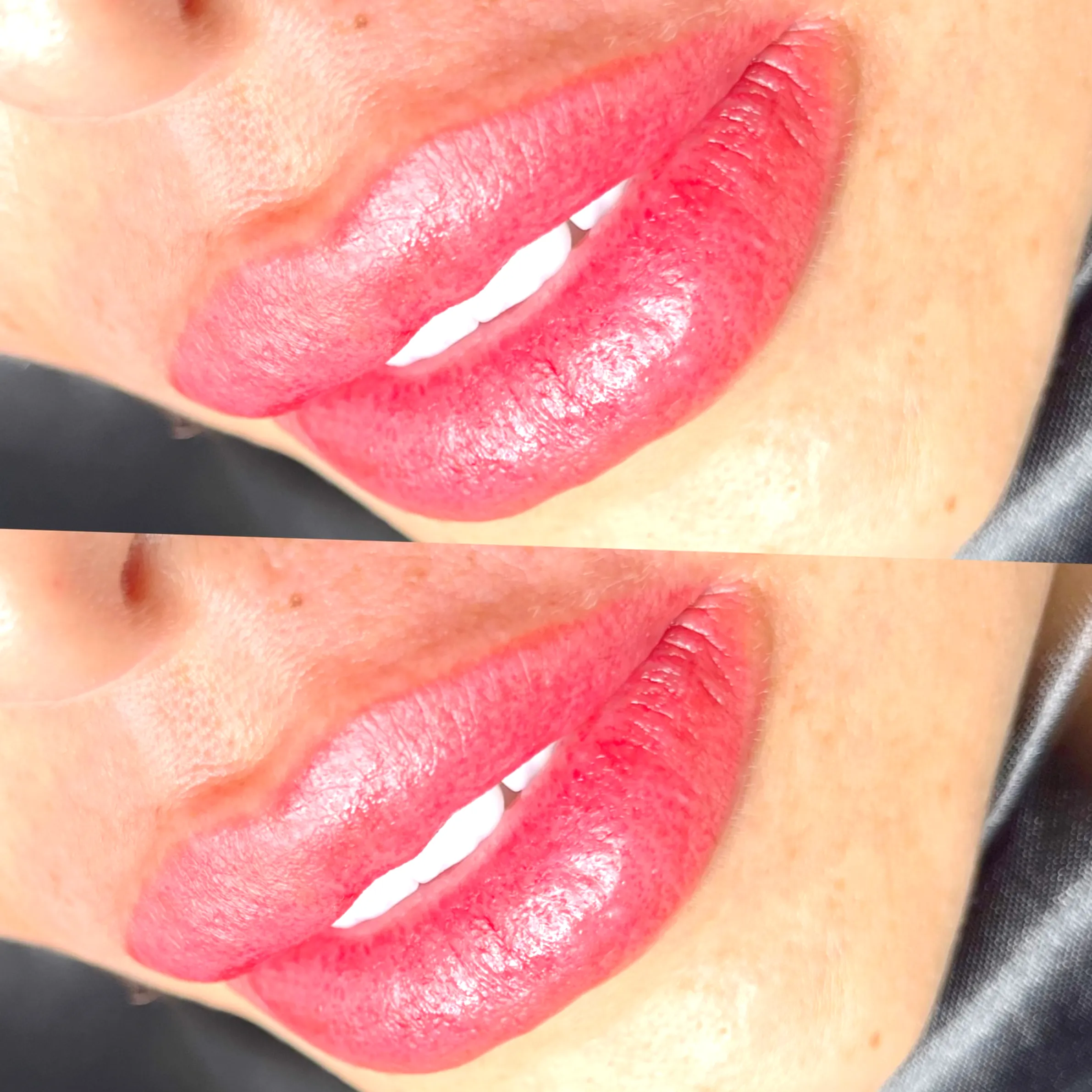
Some clients get what they want after just one session, usually if:
- They have healthy, even natural lip colour and a balanced lip shape
- They want a subtle lip tint or a natural look instead of full coverage
- They’re young with quick healing and strong pigment retention
- They don’t need lip line correction or major lip enhancement
Still, I recommend booking a follow-up in case your lip blushing fades faster than expected due to sun exposure, skin undertones or lifestyle factors. Ink depends on more than the tattoo-style technique used.
Factors That Affect How Many Sessions
Your lips’ ability to hold pigment depends on more than the tattoo-style technique used.
| Factor | Impact on Sessions | Why It Matters |
|---|---|---|
| Skin type | Oily or thin skin may fade pigment faster | Oil breaks down pigment or affects even healing |
| Cold sores | Herpes simplex virus can disrupt pigment retention | May need anti-herpes medication before treatment |
| Sun exposure | UV rays fade pigment quickly | Use lip balm with SPF |
| Health | Blood thinning medication or immune issues may slow healing | Affects pigment bonding |
| Lifestyle | Swimming, outdoor sports, chemical peels or laser treatment | Can shorten how long the effect lasts |
Melbourne-Specific Skin Considerations
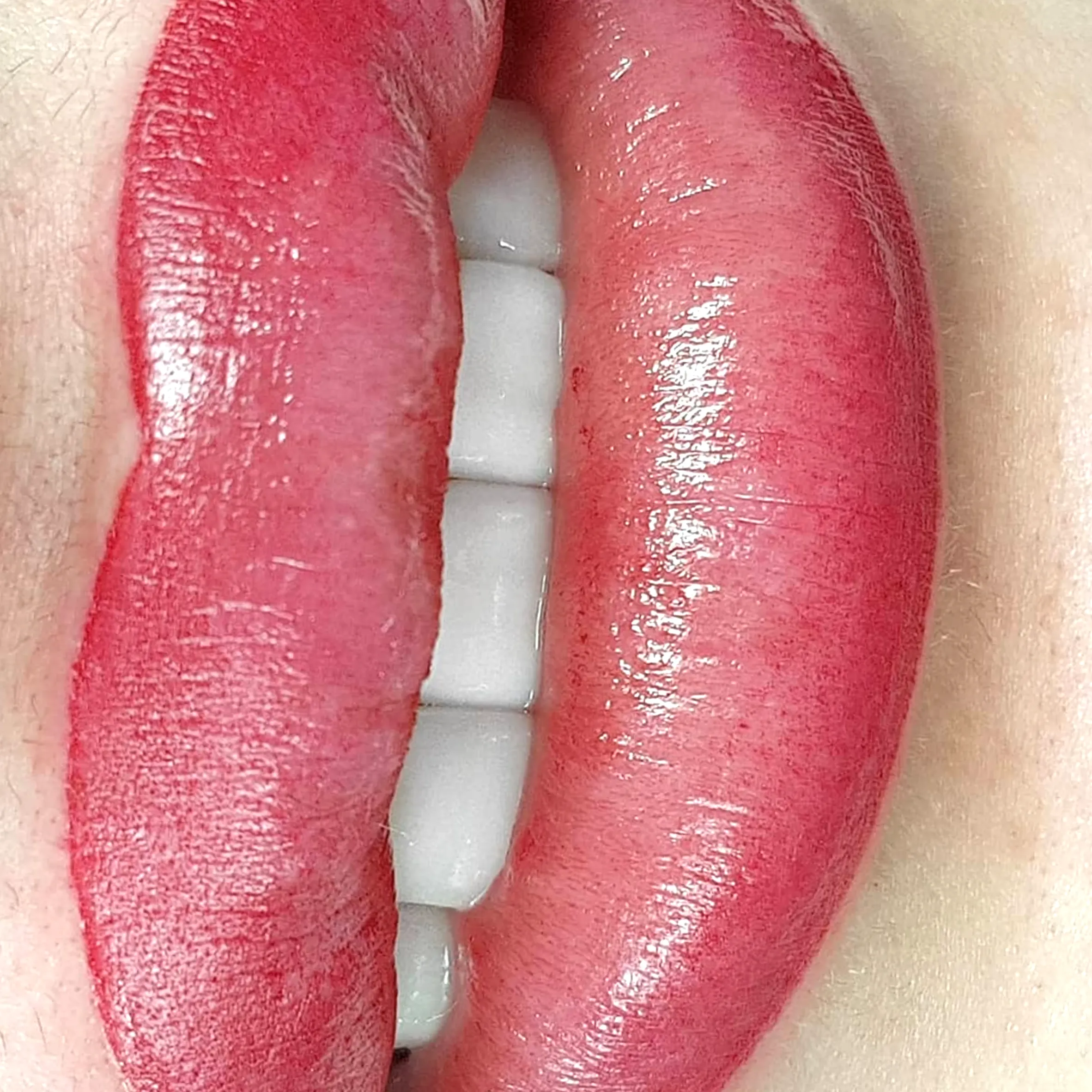
Melbourne’s dry winters and harsh summer UV make lip blush healing more complicated. In colder months, lips dry faster — without coconut oil, vitamin C or a hydrating balm in your daily routine, pigment may heal patchy. In summer, sun exposure can shorten the time before you need a colour refresh.
That’s why I tell my clients: use SPF lip balm year-round and time your appointment for a season where you can minimise environmental stress. If you’ve trained or are training in lip tattoo courses, you’ll learn that climate and aftercare can be just as important as technique in getting good retention.
Prep For First Lip Blush
Prepping well makes a big difference to your final result and the effect’s longevity. Here’s my standard client prep list:
- Avoid blood thinning medication before your appointment (with GP approval)
- Start anti-herpes medication if you’ve had a cold sore in the past (herpes simplex virus can flare after lip blushing)
- Exfoliate gently 2–3 nights before
- Keep lips hydrated with a nourishing aftercare balm or coconut oil
- Pause vitamin C serums and B chemical peels a week prior
- Avoid laser treatment in the lip area for at least 4 weeks before
The Touch-Up Is So Important
Your second visit isn’t just a “top-up” — it’s where your cosmetic technician refines the lip design, corrects any uneven pigment from the healing process and deepens your chosen lip colour. Touch-up sessions also help perfect the ombre lips or fuller lips effect.
Skipping this step can mean your PMU lips fade unevenly, especially if your skin undertones are cool or if you had to correct lip line asymmetry. If you’ve chosen a lipstick tattoo finish, the second session is essential for even saturation.
2025 Beauty Trend Data On Lip Blush Retention
According to the 2025 Australian Permanent Makeup Report, 92% of clients who completed at least two sessions reported even pigment retention after 12 months, compared to 61% of those who had only one. This gap was even bigger for clients with a history of cold sores or those exposed to strong UV.
Common Myths
- “If The Artist Is Skilled, You Only Need One Session” — Even the best cosmetic tattoo artist can’t control your immune system or healing process.
- “Extra Sessions Mean The First One Failed” — Not true — lip blushing tattoo methods are designed to be built in layers for better retention.
- “Touch-Ups Damage The Lips” — Not when spaced correctly. In fact, they often make your cosmetic tattoo last longer and heal better.
What If You Only Do One Session
Possible downsides:
- Colour fades within 6–12 months instead of 2–3 years
- Uneven lip colour due to natural skin undertones
- Needing earlier colour refresh appointments
You’ll save time in the short term but risk shorter results.
My Client Case Studies
- Case 1: Olivia, 29 — Wanted a soft lip stain look. One session gave her the natural look she wanted; she returned after 14 months for a colour refresh.
- Case 2: Mei, 42 — Cool-toned lips with uneven vermilion border. Needed three sessions for warm, even lip colour.
- Case 3: Sarah, 36 — Outdoor lifestyle, frequent sun exposure. Needed annual touch-up sessions to maintain lip enhancement effect.
Your Session Timeline
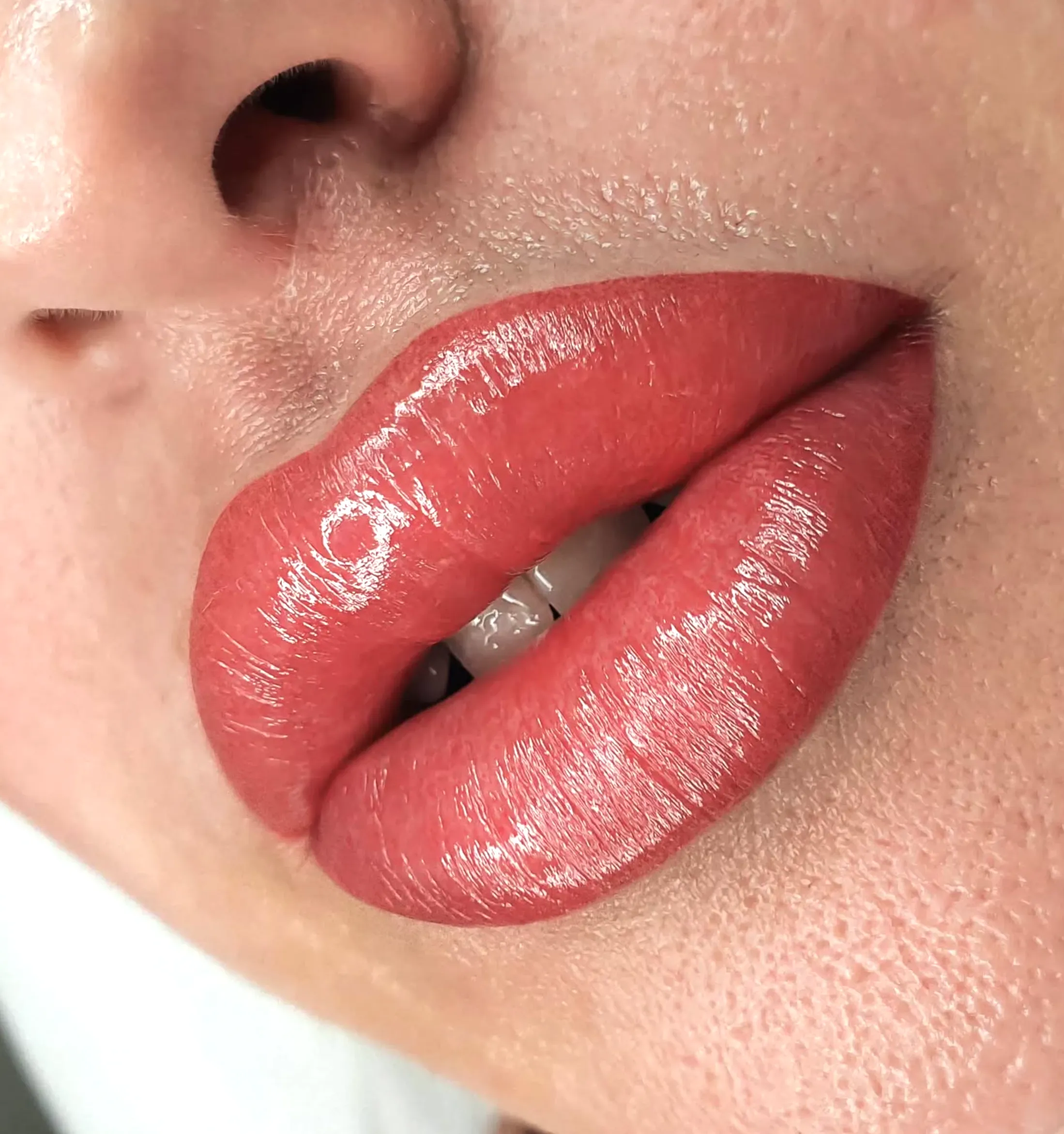
- Session 1: Consultation, lip design, pigment selection, initial tattoo-style technique application
- Healing process: 4–6 weeks with aftercare balm or post-care lip healing balm
- Session 2: Pigment depth adjustment and symmetry refinement
- Optional Session 3: For major corrections or bold lip colour goals
The Bottom Line
For most people, one session of lip blushing isn’t enough for a long-lasting, even, natural look. From the appointment process to the final healing period, giving your lips time to layer pigment is key. With the right prep, aftercare balm, and touch-up sessions, your lip blush can give you fuller lips, enhanced lip shape and a lip colour you love for years, whether you want a soft lip tint or the denser coverage of a lipstick tattoo.
FAQ
Can I see results after one session?
Yes, but the healing process often leaves you with a lighter lip colour than you expect.
How long between sessions?
Usually 6–8 weeks, depending on your skin cycle and healing.
Can cold sores affect results?
Yes. The herpes virus can cause pigment loss; use anti-herpes medication before treatment if you’re prone.
How can I make my results last longer?
Avoid sun exposure, use SPF lip balm and book regular colour refresh appointments.
Can I have lip filler before lip blush?
Yes, but wait at least 4 weeks to avoid swelling affecting your lip design.
