
How to use Meta to automate your Sydney boutique’s ad creative – it’s a critical question for anyone trying to make a splash in the super-saturated digital marketplace. Here at Karma Media, we’ve seen many Sydney businesses get bogged down in creating new content, fighting to keep up with rising ad spend, and dealing with the constant changes in Facebook Ads. Automation lets your local business stay competitive without spending hours slaving away to create endless visual content by hand. And that’s just it – Facebook advertising in Sydney becomes a whole lot more lucrative when the system can just knock on and handle all those repetitive content production tasks for you – faster than any human team ever could.
Our approach is all about blending the science of digital marketing, performance data analysis, and platform-based optimisation – so your boutique can punch above its weight without breaking the bank.
Contents
Why Retail Growth Matters
Sydney retailers are up against it – cost per click is all over the shop, seasonal demand is changing on a whim, and the algorithm is always shifting the rules. According to IAB Australia’s retail insights, ad spending in Australia continues to rise, but consumers are becoming increasingly fragmented. Without a system that can adapt and create new content on the fly, your retail brand will fall behind competitors who can refresh their ads in real time.
The stakes are real. Slow teams are suffering:
- Higher customer acquisition costs
- Rising cost per thousand impressions (that’s your CPM)
- A declining return on ad spend
What your store really needs is a system that can produce fresh ad formats, responsive messaging, and visual variations that really resonate with your target audience. That’s where the AI-driven creative tech inside Meta Ads really comes into its own – it completely flips your unit economics on its head.
How The Platform Generates Variations
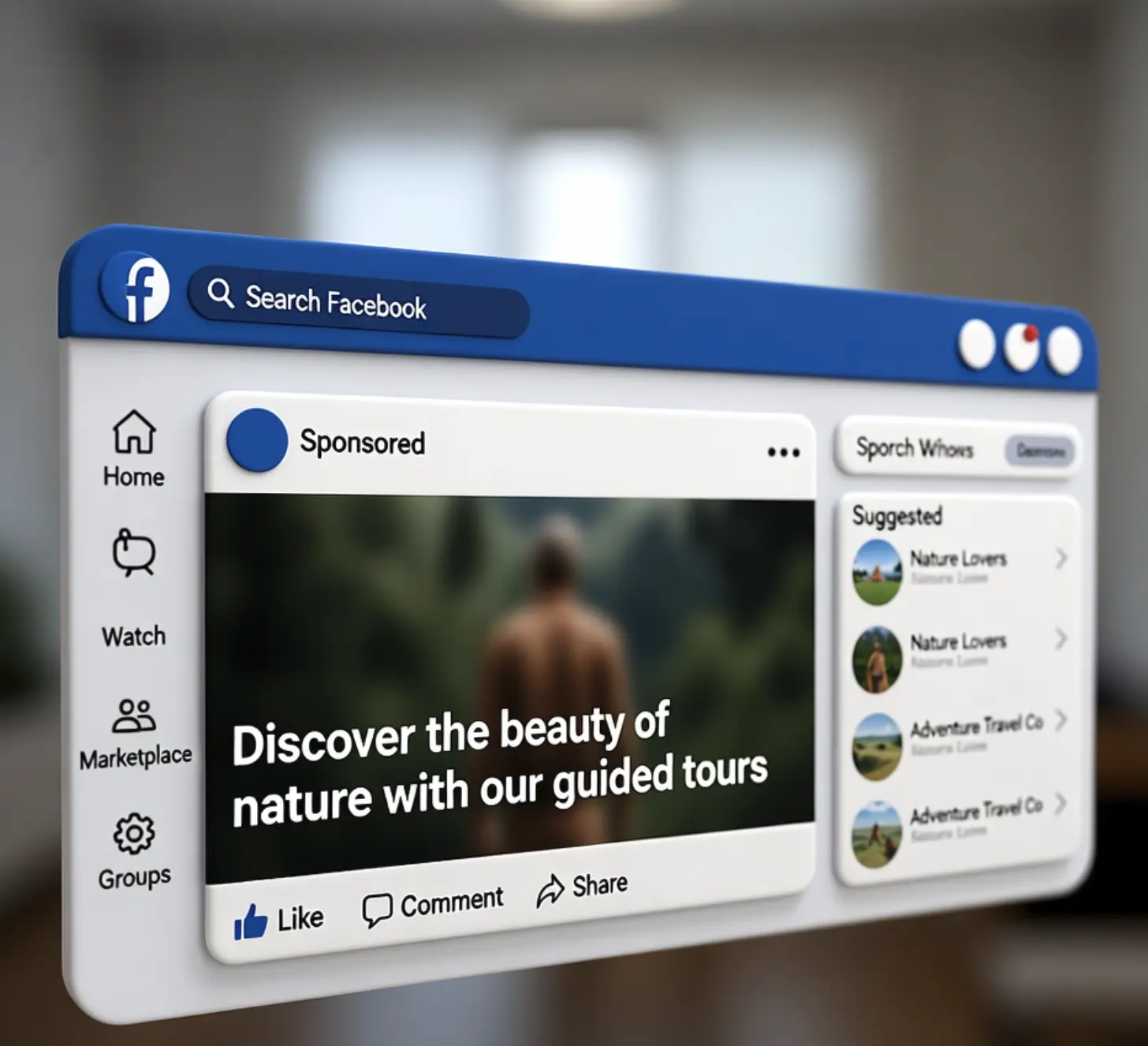
Meta Ads runs on a huge language model and machine-learning infrastructure that can plough through billions of signals. When you feed it high-quality text, visual content, and audience insights, the engine goes to work building new combinations designed to boost brand awareness, cut ad fatigue, and keep conversions stable.
It does this by tweaking:
- Text style and ad copy
- Asset layout
- Colour, contrast, and framing
- Motion templates
- Placement-specific crops
Your content strategy becomes super scalable, without needing a team of designers churning out assets all day. What used to need a whole team of designers now happens automatically – giving your Sydney business more time to refine your offers, optimise your landing page, and manage foot traffic or PR.
The Commercial Value of Generated Variations
Retailers often underestimate just how quickly audiences get bored with seeing the same old ads over and over. When the same visual keeps turning up for weeks, the algorithm slaps you with a penalty, and the auction becomes way more expensive. Automation counters that by giving Meta Ads a seriously wider range of messaging angles, formats, and visual combinations.
The financial advantages become clear when comparing manual production to automated development:
| Area | Manual Production | Platform-Generated Variations |
|---|---|---|
| Output Volume | Limited | High |
| Fatigue Risk | High | Reduced |
| Cost per Click | Unpredictable | More stable |
| CAC | Often inflated | More efficient |
| Scaling Capacity | Constrained | Expansive |
Instead of spending resources recreating the same content across numerous formats, you let the system scale your best-performing angles.
Building A System That Performs
Karma Media has helped rebuild hundreds of accounts for fashion, retail, and e-commerce businesses in Sydney – and time and time again, they’ve found that retailers who treat content production as a structured system just do loads better than those who are just messing around with the odd upload or generic social media post.
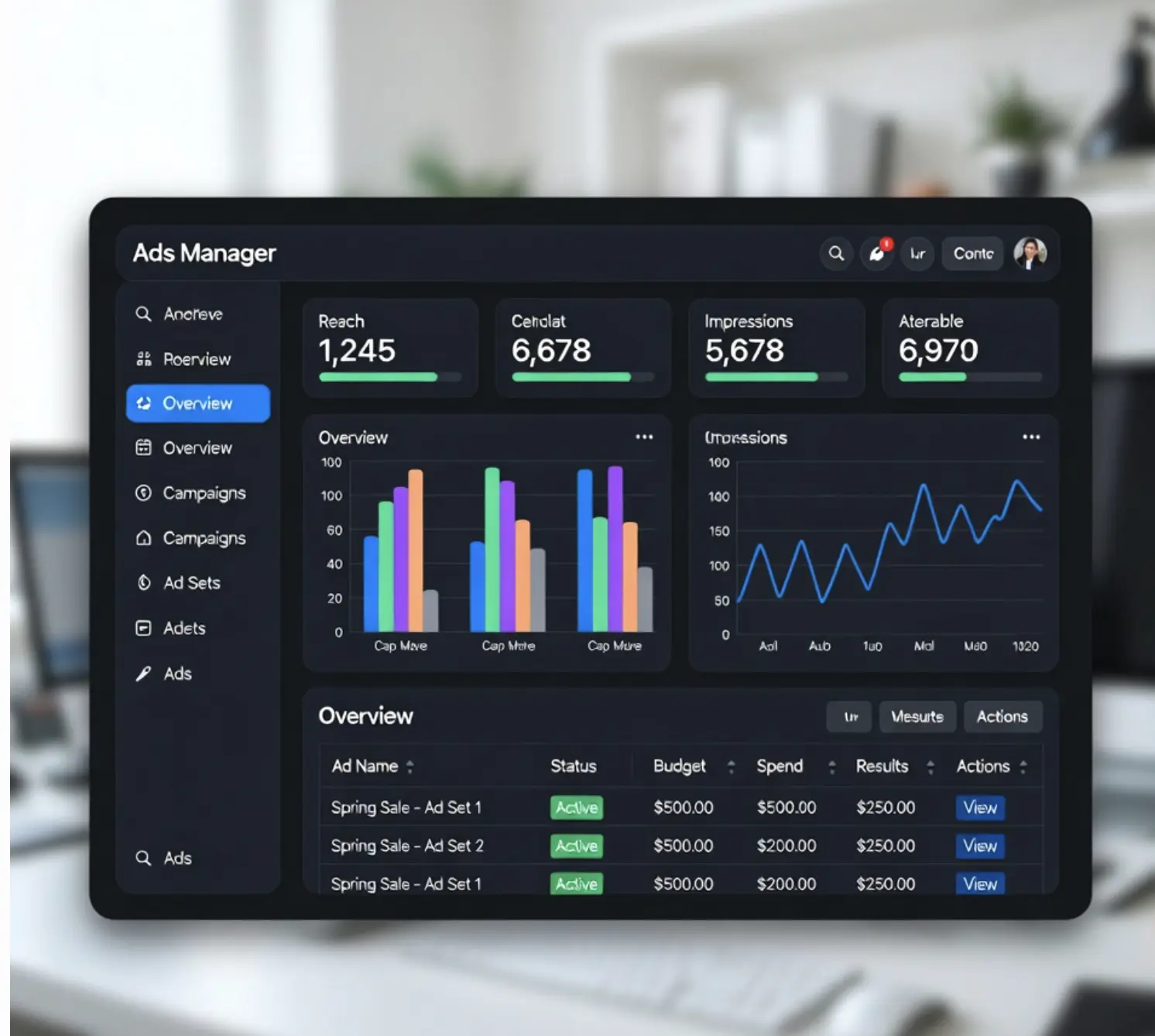
Here’s what a good framework looks like:
- Messages that grab people emotionally
- Offers that actually match the intent of your audience
- Visuals that are rooted in real customer behaviour
- Messages that actually help build brand awareness and get people to buy
Feed the system with some solid source material, and the algorithm will go to work, creating hundreds of variants set up to work toward your campaign objectives, retargeting, and getting the attention of people who’ve never engaged with your brand before.
Setting Up The Engine The Right Way
Automation only works when you’re putting the right inputs in – and that means your account needs to follow a set of strict structural rules,, or the algorithm will get it all wrong and you’ll just end up wasting your ad spend.

1. Choose The Right Campaign Goal
The thing is, your campaign objective is what determines how the algorithm behaves – and Sydney retailers are pretty rubbish at choosing the right one, often going for traffic instead of sales.
Try using:
- Sales, if you’re selling stuff online
- Leads if you’re after people to book styling sessions
- Engagement, if you just want to test some new content
- Remarketing objectives if you’re targeting people who’ve already shown an interest in your brand
Choosing the wrong objective will attract the wrong kind of user behaviour and distort all your performance data.
2. Use High-Quality Source Assets
Automation can’t fix a weak input – so you’ve got to upload some strong visuals, a few different bits of text and some variation in headlines. This ensures that Meta Ads can create combinations that really get people’s attention and build up your social proof across different audiences.
Your assets should do a few key things:
- Clearly represent your brand
- Clearly outline the value you’re offering
- Clearly show off your products in a clean and simple way
3. Activate Enhancement Tools
Advantage+ enhancements can tweak your images, add a bit of movement, or generate subtle visual variations that make people more likely to click your ads. And they also adjust for different ad formats like Stories, Reels, and Feeds, which is just essential in a world where things are moving that fast.
4. Allow Broad Targeting
Now Sydney boutiques are often too quick to over-target, thinking that precision always means better performance – but it doesn’t. Broad targeting gives the system a bit more to work with, which means it can deliver your ads more cheaply and get a better understanding of your target audience.
5. Interpret Data Correctly
Take a close look at:
- CAC (customer acquisition cost)
- Return on ad spend
- How your acquisition patterns are changing
- The impact of your daily budget on delivery
- How is your landing page performing
- How email header consistency is affecting omnichannel conversion
And ignore the vanity metrics – they don’t pay the bills.

Reducing Cost Risks Caused By Fatigue
Ad fatigue isn’t just a creative problem – it is a big revenue hit for your business. When people see the same ad over and over, it’s bound to take a toll on performance, and that means you end up paying:
- A higher cost per click, which isn’t good news
- Higher CPMs, because your ads just aren’t resonating like they used to
- Higher acquisition costs, because people are just tuning you out
Now automation has come along and helped to mitigate these risks by giving you fresh creative signals all the time. You don’t need to do a dozen photoshoots or influencer campaigns every month – just one solid content base that you can then tweak and tweak using subtle adjustments, layout changes, and image generation boosts.
This approach will give your ad some much-needed protection, and ensure that your message stays relevant even as people’s behaviour shifts online.
Scaling Responsibly
Scaling up too fast, or too aggressively, can be a disaster for your margins. Time and again, Sydney retailers have been guilty of boosting their budgets before they’ve even got their conversion pathways sorted – and that means they’re just wasting ad spend and reaching the wrong people.
Getting it right with scaling means doing it in the right order – and that means:
- Testing out messages in tiny batches, so you can make sure they’re working.
- Make sure your landing page is firing on all cylinders.
- Keeping your content fresh and varied so you don’t bore your audience.
- Using social proof to reinforce your message at the top of the funnel.
- Keeping an eye on those performance metrics, so you can tell when something’s going wrong.
Scaling up isn’t just about throwing more money at the problem – it’s about finding new combinations that work, without blowing your budget to smithereens.
Common Mistakes Retailers Make
After years of auditing accounts, we still see the same mistakes cropping up time and again.
Mistake 1: Assuming System Variations Replace Strategy
After years of auditing accounts, we still see the same mistakes cropping up time and again.
Mistake 2: Uploading Inconsistent Visual Material
Throwing up a bunch of images without a plan will just confuse the algorithm and damage your brand’s reputation. Cohesion is key.
Mistake 3: Interrupting Learning
If you’re switching ads around, deleting them, or shutting down whole campaigns too soon, it’ll just reset the whole optimisation process.
Mistake 4: Ignoring Back-End Revenue Channels
Don’t forget that email and SMS can actually improve your conversion rates, making every single ad impression more valuable.
Mistake 5: Underestimating Content Quality
If you want ads that really spark, you need to start with some great source material – that way, your automated variations will be that much more effective.
Strategic Close
Sydney retailers are competing in a market that’s all about data, system-driven enhancements, and moving at the speed of light when it comes to content. We think the retailers who are going to come out on top are the ones who treat their advertising as a long-term system for getting conversions – not just a load of disconnected social media posts. When you use Meta’s automated tools alongside a proper strategy, your daily budget stretches a whole lot further, your cost per click drops, and your campaigns just get stronger and stronger.
Karma Media builds this type of system for retailers looking to get on the path to predictable revenue growth. When you get this right, you can free up your team from all the repetitive content work and get them back to focusing on what really matters – the product, the customers, and the growth.
FAQ
Will automation make my ads feel less personal?
No way – the emotional spark comes from your original assets. Automation just gives people more versions of them to look at.
Can automation replace my content creation team?
It will give them a bit of a break, but it won’t eliminate the need for creative strategy, brand voice, or good product photography.
How much budget do I need for automation to work?
Honestly, not a lot. Even modest budgets can do the trick if you’ve got a strong content base and your targeting is spot on.
Does automation work for influencer campaigns?
Absolutely. You can load up the influencer assets and let Meta produce versions that are optimised for engagement or sales.
What’s the biggest risk of automated creative?
Poor inputs. If your core visuals, message, or landing page experience misalign, automation amplifies the problem.
